Use verbal and nonverbal cues to show you’re truly listening
You settle into your favorite armchair, the hum of traffic barely audible through the window. Across the coffee table, your friend begins to describe a tough department meeting. You find your mind wandering—today’s to-do list floats in front of you—and you realize you’ve missed her first sentence.
You refocus, pulling in a breath, and angle your body toward her. You soften your gaze and let her words anchor you in the moment. Each time she pauses, you offer “That must have felt frustrating,” and you notice her shoulders relax. The coffee’s aroma drifts into your senses—warm, comforting—and you stay rooted in the dialogue.
As she continues, patterns begin to emerge: meeting overload, unclear goals, lack of feedback. You feel the beat of your own heart slow as you tune into her tone and story. In this shared silence, your thoughtful nods fill the space with empathy.
Neuroscience shows that mirror neurons fire when we observe others’ emotions, forging deeper connection. By combining conscious body alignment and gentle verbal cues, you transform listening from a passive act into a healing presence.
Next time someone shares, settle your body facing them, uncross your arms, and lean in just a touch. Let your eyes meet theirs steadily, and sprinkle in small verbal echoes such as “I see,” or “Wow, what happened next?” Feel how these little shifts bring you fully into the moment and deepen your bond. Try it today.
What You'll Achieve
Cultivate deeper empathy and stronger bonds by practicing active listening that reduces misunderstandings, enhances emotional connection, and makes others feel truly heard.
Adopt active listening body language
Face the speaker
Turn your torso and shoulders toward them, lean in slightly, and keep your arms uncrossed to signal engagement.
Maintain eye contact
Look between their eyes or at their eyebrows to avoid darting glances, showing you’re focused on their words.
Give verbal nods
Use brief cues like “I see,” “Tell me more,” or “That sounds challenging,” to confirm you’re tracking their story.
Reflection Questions
- When was the last time you felt genuinely listened to, and what did your listener do?
- Where do you notice your mind drifting during conversations?
- How can you remind yourself to realign your body and voice to stay present?
Personalization Tips
- In family dinners, sit facing your teenager and nod as they describe their day at school.
- At work, during 1:1 check-ins, close your laptop so your coworker knows they have your full attention.
- On a phone call with a far-away friend, say “Mmhmm” and recap what they’ve shared to show you’re following along.
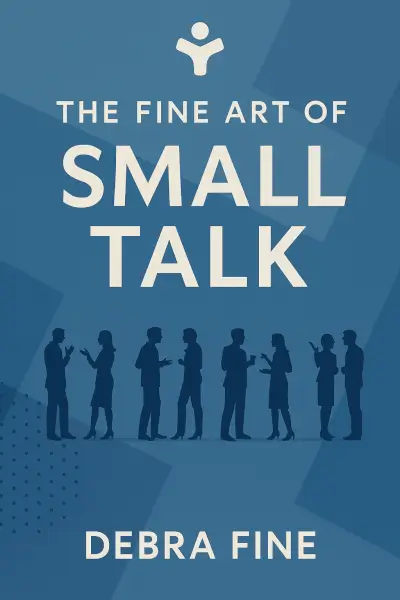
The Fine Art of Small Talk: How to Start a Conversation, Keep It Going, Build Networking Skills and Leave a Positive Impression!
Ready to Take Action?
Get the Mentorist app and turn insights like these into daily habits.