Words matter less than tone and posture combined
In the 1960s, psychologist Albert Mehrabian shocked the world with one simple study: only 7 percent of an emotional message comes from words, 38 percent from tone, and 55 percent from body language. That means a single sentence can reverse meaning entirely if your posture and voice don’t lock in sync. While context matters, the essence is clear: listeners trust gestures and tone far more than the words themselves.
Imagine Sarah, a seasoned sales rep, calling back a hot lead. She drones, “Yes, we can do that,” in a flat tone and slumps in her chair. The prospect hesitates—even though the words promise a positive outcome. Then Sarah re-calls with stronger projection: she leans forward, opens her palms in front of her, and says the same words with warm intonation. Suddenly, the prospect’s voice lights up. Both sentences were identical—only her voice and posture changed the seal from “maybe” to “let’s do it.”
Mehrabian’s rule teaches us that true persuasion is an orchestration of all channels: verbal, vocal, and visual. Business leaders now pair verbal scripts with deliberate gestures—like open-palm rains at budget approvals—or calibrated tone shifts in town halls. It’s not manipulation it’s clear communication: your entire self confirms your words.
Remember, this principle applies mainly to emotional or ambiguous passages. Facts and instructions still live in words. But when you’re seeking buy-in, inspiration, or trust, make your tone and body carry more weight than any single sentence.
Next time you share big news—or ask big favors—start by crafting your words. Then practice saying them in monotone and slouched posture: do you feel the message die? Now stand tall, open your arms, and speak with emotion. Feel the difference in your energy and theirs. It’s your turn to tip the scales.
What You'll Achieve
You’ll create compelling messages by harmonizing words, tone, and posture, leading to clearer understanding and stronger influence. Internally, you’ll gain confidence in your delivery. Externally, you’ll experience higher engagement and retention.
Balance your message with body weight
Align words with tone
Before your next pitch, record yourself. Check if your tone (38 percent) matches your words (7 percent). If your tone dips when you discuss benefits, your message loses impact.
Adjust body emphasis
Use open arm gestures or forward steps on key value statements. By syncing 55 percent of your impact through body language, you’ll amplify the listener’s memory of your words.
Test in silence
Give your message in silence, relying solely on gestures and tone. Notice how much they “hear.” Then add words and see how clarity builds—this exercise teaches you balance.
Reflection Questions
- What recent talk fell flat despite strong words?
- Which part of your body-tone-word triad needs the most tune-up?
- How can you rehearse for better vocal and physical alignment?
Personalization Tips
- On a webinar, accentuate transitions with deliberate arm lifts to underscore topic changes.
- When coaching a teammate, slow down your voice on their goals and lean in—let your presence highlight your encouragement.
- During a family meeting, step forward when proposing chores, then maintain eye contact and open palms.
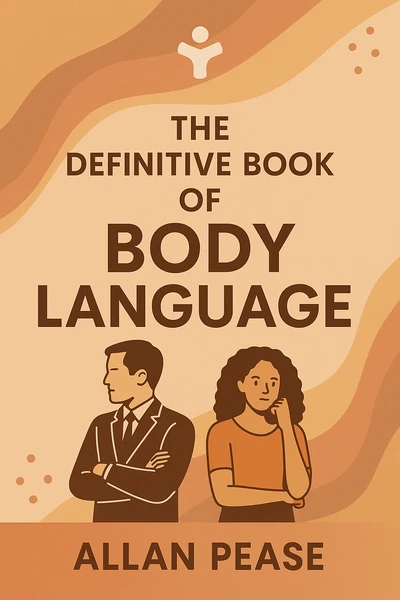
The Definitive Book of Body Language
Ready to Take Action?
Get the Mentorist app and turn insights like these into daily habits.