Crossed arms and legs signal a barrier to trust
Have you noticed that, when you feel closed-off, your body physically protects your core? Arms fold, legs clamp—mimicking armor. In a recent meeting, I caught myself crossing my arms each time criticism arose. My heart bolted—and the team stopped sharing. I took a breath, uncrossed my arms, and placed open palms on the table. Instantly, their voices returned.
The arms-cross is an invisible barrier that both speaker and listener feel. It’s the body mirroring a closed mind. In mindfulness practice we’re taught to notice when our shoulders rise—stress recalled. Then gently lower them. Likewise, when your mind recoils, simply open your posture. One mindful unclasping can puncture a fortress of doubt.
As I practiced this daily—first with myself in a mirror, then in small conversations—I noticed tension melting. My back and shoulders relaxed, and my tone softened. Friends replied more freely, and I felt more grounded.
Body posture and mind state are entwined. Neuroscientists confirm that open postures prompt dopamine surges, making us feel safe. By consciously dropping my cross-legged, folded-arm stance, I rewrote my nervous system’s ‘shutdown’ script into an ‘engage’ one.
When you next sense tension, close your eyes. Take a gentle inhale, unfold your arms by your sides, and place your palms flat on your lap. Uncross your legs and feel your feet grounded. As the barrier dissolves, speak with curiosity—not defense. Give this mindful opening a try in your next check-in.
What You'll Achieve
You’ll replace defensive postures with open, inviting signals, fostering genuine dialogue. Internally, you’ll feel calmer and more present; externally, you’ll encourage trust and free expression.
Open your posture to unlock minds
Uncross arms first
If you’ve folded your arms, suspend them by your sides or open your palms. This simple move shifts your mindset from closed off to receptive and invites others to share.
Unfold your legs
When seated, uncross your legs and place both feet flat on the ground. A stable base reflects steady engagement—avoid restless ankle locks or figure-fours during serious talks.
Use open claps
To punctuate a point, integrate a palm-rub or fingertip-touch instead of crossing. Show hands-on-knees or in lap to signal active listening and openness.
Reflection Questions
- Where do I habitually cross my arms or legs?
- What emotional triggers lead to this posture?
- How will you remind yourself to open up mid-conversation?
Personalization Tips
- In a performance review, arrive with arms unfolded to signal you’re open to feedback.
- On a first date, sit with relaxed legs-apart posture to appear confident, not defensive.
- During family discussions, maintain unclasped hands on the table to keep the mood constructive.
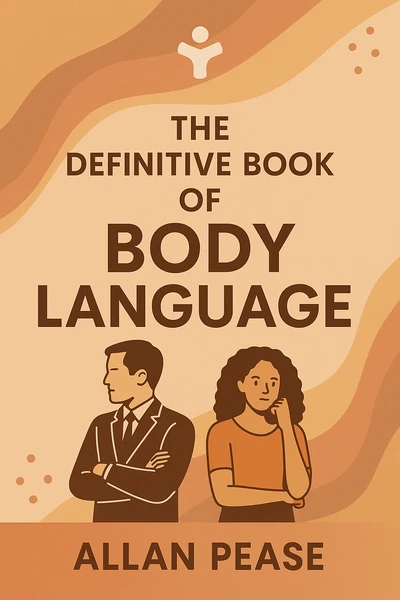
The Definitive Book of Body Language
Ready to Take Action?
Get the Mentorist app and turn insights like these into daily habits.