Use Creative Constraints to Spark Breakthroughs
A small design agency was tasked with refreshing a brand that had grown stale. Instead of giving designers free rein, the creative director imposed a bold limitation: all materials had to be black-and-white only. At first, designers rebelled, lamenting the loss of color palettes they loved. But as they embraced the constraint, they discovered new patterns and textures they’d never considered. The final campaign, stark and elegant, outperformed previous launches by nearly 30% in engagement.
In software teams, a similar test was done by forcing all code reviews to focus on only one function at a time, slowing the process but yielding far fewer bugs. It’s counterintuitive—limits usually feel like obstacles—but they prompt us to think sideways, uncover hidden synergies, and find cleaner solutions.
Behavioral science shows that constraints reduce decision fatigue and sharpen focus, freeing the mind to explore deeper possibilities. When you impose clear, temporary rules, you paradoxically create more room for innovation.
First, pick one tight constraint—like using only two colors or a single chord—and apply it to a project. Put aside your usual tools and embrace the rule. Next, press through initial frustration by reminding yourself that the goal is discovery. Finally, write down what surprised you about working under this limit and how it shifted your approach. Give this method a try this week.
What You'll Achieve
You’ll learn to turn limitations into catalysts for innovation—accelerating decision-making, uncovering novel ideas, and producing work that stands out.
Impose surprising project limits
Choose a small palette
Limit your tools—three words only in a poem, two colors in a sketch, or a single chord in a song—and see how you express more with less.
Set a playful rule
Drastically constrain your medium: write a scene in an unfamiliar genre, cook using only edible flowers, or draft an email entirely in questions.
Reflect on the result
After completing the work, journal for five minutes on how the constraints altered your approach and what surprises emerged.
Reflection Questions
- Which constraints feel most intimidating yet intriguing?
- How does limiting choices free your attention for unexpected solutions?
- What breakthroughs emerged when you couldn’t use your usual tools?
Personalization Tips
- A parent tells a bedtime story using only questions, unlocking a playful game of answers.
- A developer writes a feature in pseudocode without an IDE to explore new logic patterns.
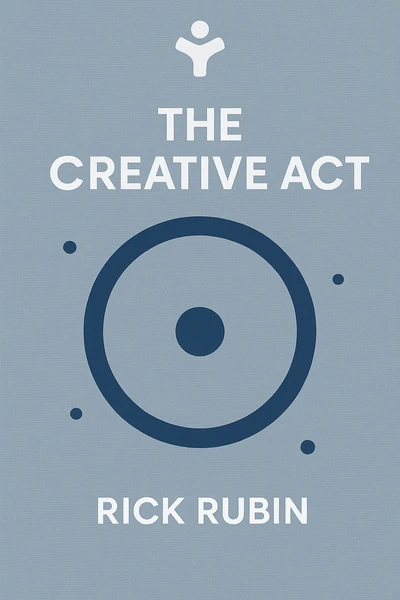
The Creative Act: A Way of Being
Ready to Take Action?
Get the Mentorist app and turn insights like these into daily habits.