Approach Challenges from a ‘We’ Perspective
You’re nervous about speaking up in a quarterly review with execs. Your palms sweat as you imagine judgment if your recommendations seem self-serving. Anxiety peaks. But then you remember the advice to lead with ‘we.’ You stand and say, “Our sales team hit a plateau last month, and here’s what we tested to reverse the trend.” The tone of the room shifts. Colleagues lean forward, nodding—the message isn’t about you alone, it’s about them, too. The executives ask questions, eager to know more.
Later, you see how that simple pivot changed everything. Behavioral science calls it “self-transcendence” —evoking a higher purpose releases oxytocin, boosting trust and lowering stress. You feel calmer because your brain’s fear-center is quieter, replaced by a sense of connection.
Over time, adopting a ‘we’ language becomes second nature. Before long you notice that making suggestions for group wins carries less personal risk. You speak up with sharper clarity, and you’re seen as collaborative, not self-aggrandizing.
Turning the spotlight outward is also a confidence magnet: as you elevate others, they elevate you. It’s a virtuous cycle rooted in social psychology—people help others who have helped them. Your bravery to shift perspective pays you back in trust and respect.
Next time you’re about to pitch an idea, start by explaining how it benefits the whole. Use phrases like ‘we have an opportunity’ or ‘our team can leverage.’ Ask open-ended questions to draw people into problem-solving with you. As they engage, let go of the spotlight on yourself and focus on shared success. That outward focus will calm your nerves and build genuine buy-in—because confidence rooted in service feels natural and strong. Try it in tomorrow’s meeting.
What You'll Achieve
You will cultivate trust and ease in group settings by shifting from self-focus to collective benefit, reducing performance anxiety and boosting influence.
Shift Your Focus to Service
Ask ‘How will this help?’
Before you speak up or pitch an idea, reframe it as a service to the team or client. That shifts the narrative from self-promotion to shared success.
Design a group-first narrative
Create talking points that center on collective benefits—‘Our monthly sales rose because we collaborated on these steps,’ rather than ‘I achieved.’
Invite feedback publicly
Say, ‘I’d value your thoughts on how we can improve this,’ inviting co-creation rather than defensive posturing.
Spotlight a peer’s win
Regularly highlight a team member’s contribution in meetings. Publicly focusing on others builds goodwill and bolsters your own confidence.
Reflection Questions
- How does focusing on team goals change your comfort level?
- What ‘we’ phrase can you start using in your next discussion?
- Who on your team will you spotlight next, and how might that strengthen your collective confidence?
Personalization Tips
- In a presentation, begin with “We’ve been working on this solution,” then invite questions that show you champion the team.
- When leading a project, use team metrics—‘Our customer satisfaction jumped 15%’—to underscore shared achievement.
- At a networking event, ask “How can I help your goals?” rather than listing your own accomplishments first.
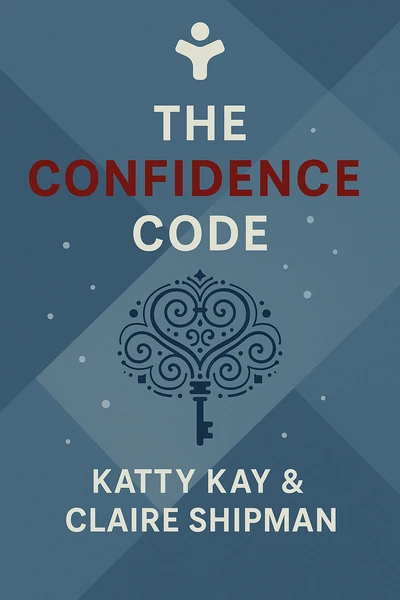
The Confidence Code: The Science and Art of Self-Assurance – What Women Should Know
Ready to Take Action?
Get the Mentorist app and turn insights like these into daily habits.