Tame your hardest-to-control stress by understanding your cell’s clock genes
At the heart of every cell lies a molecular metronome—Clock and Bmal1 partner to kickstart genes, while Per and Cry shadow them until enough protein builds up, then flip the switch off. This feedback loop takes about 24 hours, tuning everything from when your muscles can work hardest to when your liver metabolizes fat best. But without proper light or food cues, these loops wobble. Midnight snacks, jacked-up lights, or shift work leave your genetic clock unsure when to turn on or off.
Nobel laureates discovered these clock genes over decades of fly and mouse research. In fruit flies, mutations in Period stretched or shrank their rest–wake cycle. Mammals turned out to use the same machinery—our DNA is wired to run on that 24-hour beat. So every time you reset your phone, skip breakfast, or scroll at midnight, your cell’s clock gene loop sputters.
Armed with that knowledge, you can restore order. Deliver a clear dawn signal—daylight. Deliver a clear dusk signal—darkness. Couple it with meals at reliable times, and your clock genes hum like a tuned piano. Over weeks, they neatly re-sync, giving you steadier energy, better sleep, and sharper cognition. It’s not magic, just molecules keeping time.
You’ve learned that Clock and Per are the baton-passers inside each cell, and confusion comes from weak signals. So every morning, let daylight blast your eyes; every night, draw the curtains and dim the bulbs. Place your meals at dawn and dusk, within a tight window. With these genetic cues, you’ll conduct a flawless 24-hour symphony in your body.
What You'll Achieve
You’ll feel steadier energy cycles and sharper focus. Internally, your cellular clocks gain precision; externally, you’ll hit your best performance windows without fatigue.
Give your genes a consistent signal
Pinpoint your peak and trough
Spend a week tracking your natural energy highs and lows in a simple journal. Note when you feel most alert and when you hit that afternoon slump so you can align your tough tasks and rest accordingly.
Create steady light and dark cycles
At dawn, flood your eyes with bright light—open windows, hit the sidewalk. At dusk, keep rooms dim. You may not change your DNA, but you’ll send your Per, Clock, and Bmal1 genes crystal-clear timing messages to bolster your internal precision.
Sync meals to reinforce your rhythm
Eat your first meal within an hour of sunrise and last meal at least two hours before bedtime. That solid eating-fasting window feeds a consistent day-night cycle to every cell’s clock protein.
Reflection Questions
- What unambiguous light and dark signal can you install tomorrow?
- How can your mealtimes support your cells’ gene cycle?
- Which daily habit most conflicts with your 24-hour feedback loop?
Personalization Tips
- An on-call doctor schedules surgeries during her personal alertness peak, coming alive at 11 a.m.
- A freelance writer drafts ideas at the end of his fordable energy window and edits at his afternoon low, then rests.
- A manager sets meeting times to match her natural high energy patterns rather than forcing team members into arbitrary slots.
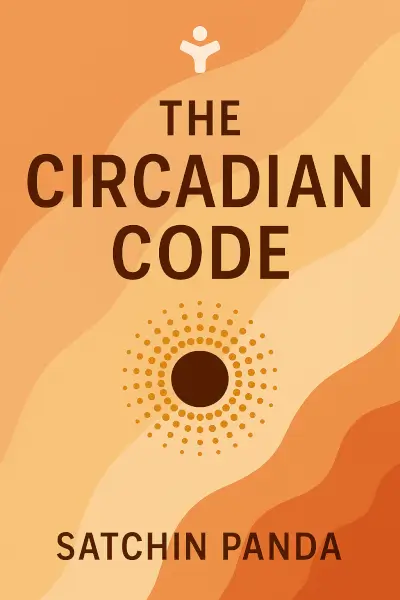
The Circadian Code: Lose Weight, Supercharge Your Energy, and Transform Your Health from Morning to Midnight
Ready to Take Action?
Get the Mentorist app and turn insights like these into daily habits.