Decode your Soulprint from life’s highs and lows
When Vishen was in crisis—his company bleeding cash and his confidence shattered—he stumbled into an impromptu call with his mentor, Srikumar Rao. Sitting at a kitchen table late at night, he finally let out the mess of doubts that had been keeping him up. Rao listened and then read him a thirteenth-century Rumi poem about wanting and being wanted, which struck Vishen as oddly comforting. “What do you think it means?” Rao asked, and for the first time, Vishen paused to really listen to his own instincts. From there, he began to map the major peaks and valleys of his life: launching his first startup, moving continents, betrayal by a trusted colleague, his first big success. With Rao’s guidance, Vishen distilled these memories into clusters—unity, envisioning, transformation, love. He realized these were not just corporate values but his Soulprint, the blueprint of why he was on Earth and how he should build his life and his company. This exercise unlocked a sense of alignment so powerful that every decision felt easier, the wrong hires fell away, and the right people started appearing at his door.
You’ve just uncovered your Soulprint—your unique set of values shaped by real-life lessons and triumphs. Now carry that insight forward by reviewing your cluster titles at the start of each week and asking yourself how you can honor them in everyday decisions, whether in the projects you choose or the people you surround yourself with—let your Soulprint guide every next move.
What You'll Achieve
You’ll gain clarity on your core guiding principles, leading to decisive, aligned choices and deeper self-awareness. Externally, you’ll attract opportunities and relationships that resonate with your authentic values, boosting your confidence and career satisfaction.
Follow your own breadcrumb trail
List your peak and valley moments
Take five minutes to jot down the top three happiest and top three most painful memories from ages 5 to 25. Be as vivid as possible, noting who was there and how you felt.
Extract emerging values
Beside each event, write one word describing the core belief or value you took away (e.g., courage, belonging, creativity). Focus on spontaneous, gut-felt responses.
Cluster and name value groups
Review your list and group related words together (e.g., compassion, empathy; curiosity, innovation). Then create a single title for each cluster that resonates with you.
Define your foundational values
Write a sentence for each cluster title explaining what that value means in your life and how it guides your choices. Keep it personal and specific.
Reflection Questions
- Which past event most clearly shaped your desire to lead or create?
- How can you use your defined values to decide which meeting invites to accept or decline?
- Where have you been ignoring one of your values, and how can you realign this week?
Personalization Tips
- As a software engineer, link a past teamwork triumph to your value of ‘connection’ to guide future collaborations.
- As a parent, connect a childhood lesson on patience to your family routines and discipline style.
- As a creative writer, use a past moment of awe in nature to fuel your storytelling voice and themes.
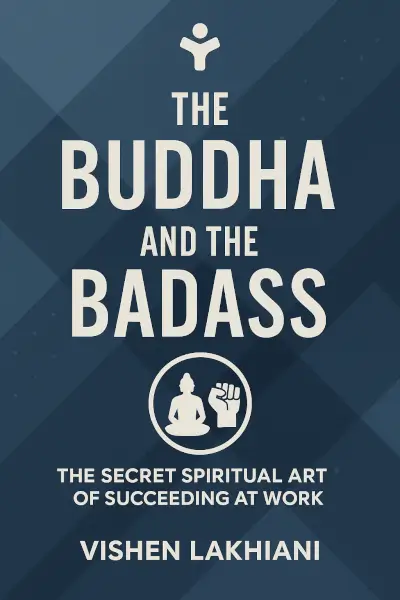
The Buddha and the Badass: The Secret Spiritual Art of Succeeding at Work
Ready to Take Action?
Get the Mentorist app and turn insights like these into daily habits.