True change starts when you stop fighting reality
Acceptance isn’t giving up—it’s giving yourself the freedom to see what’s possible. For example, when Mia’s train screeches to a stop in a packed station, frustration rises. She glares at the conductor, muttering “Why me?” until she catches herself. Mia pauses, labels the moment, “This is a delay.” That simple acknowledgment releases the tight knot in her chest.
Next, she writes down three facts: the train’s stalled, it’s chilly, and her phone is almost dead. Opinions fall away. Now she asks, “What can I do?” One choice is to step off for fresh air; another is to conserve her phone by sending one quick message. By shifting from resistance to response, Mia regains calm.
Neuroscience shows that labeling experiences engages the prefrontal cortex, down-regulating the amygdala’s alarm bells. Over time, practicing acceptance rewires your stress response, transforming chaos into clarity. Rather than letting “should” hijack your emotions, swapping it for “I choose” opens new pathways—like Mia’s unexpected hour of quiet reflection in the station cafe.
Whenever you’re knocked off balance, start by pausing and silently labeling the moment. List three unbiased facts about your situation, then ask yourself what one or two next steps you can actually take. Replace any “I should” self-criticism with a simple “I choose” affirmation. This practice frees your mind from resisting reality and empowers you to act with clarity and calm.
What You'll Achieve
You’ll reduce reactive frustration, gain clarity on practical next steps, and feel grounded rather than overwhelmed. Acceptance lowers stress, improves focus, and frees mental energy to solve problems creatively.
Embrace the moment to unlock new paths
Pause and Label.
When you feel overwhelmed, pause and say “This is happening” out loud. Notice emotions but don’t judge them.
List Facts Only.
For a current stressor, write three objective facts (e.g., “I missed my bus”, “It’s raining”) without opinion.
Explore What’s Possible.
Ask “What can I do next?” for each fact. Brainstorm at least two practical steps, however small.
Let Go of ‘Should’.
Replace “I should be…” with “I choose to…” Jot down one such phrase and rewrite it as a choice.
Reflection Questions
- What recurring ‘should’ thoughts weigh on you? How might turning one into a choice change your mood?
- When did accepting a setback open a new opportunity you hadn’t considered?
- How can labeling your feelings today help you respond more effectively?
Personalization Tips
- Stuck in a long meeting, label it “this is a tough meeting,” then ask, “How can I add value now?”
- During a workout slump, note “my legs feel tired,” then switch to light stretching or a new routine.
- If a friend cancels plans, record “they canceled,” then text an alternative for a coffee date.
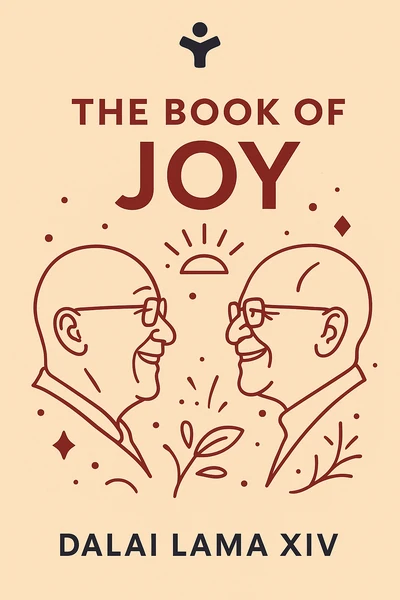
The Book of Joy: Lasting Happiness in a Changing World
Ready to Take Action?
Get the Mentorist app and turn insights like these into daily habits.