Transform busywork addiction into protected creative space
At a fast-paced design agency, creative director Maria noticed her teams were perpetually booked—mornings of client calls, afternoons of budgets and ops, evenings of last-minute revisions. Projects sputtered. Creativity stalled. Maria decided to pilot a “trusted creative window”: each Wednesday, the last two hours were sacred. No emails. No meetings. You could sketch, prototype, or simply daydream at your desk.
Within a month, the team’s mood lifted. Senior designer James cracked a thorny logo problem in that undisturbed space. Junior copywriter Lila drafted three clever headlines in 20 thoughtfully uncensored minutes. Even account managers peeked in with playful doodles. Productivity surprised everyone: turnaround time improved by 15%, and client satisfaction scores ticked up. Maria’s agency realized that “workaholic busywork” was the real burnout toxin. By protecting creative space, she boosted both morale and revenue.
This experiment mirrors findings from organizational psychology: employees with intentional breaks for curiosity and exploration report higher job satisfaction and exhibit more creative problem-solving. In other words, carving out nonnegotiable white space in your calendar is less a luxury and more a strategic business move that fuels innovation.
You’ll start this Friday by auditing your own schedule: jot down every call, email, and task from your morning commute to bedtime. Then, pick two 15-minute slots and one 90-minute session to declare wholly “no-work zones.” Tell a supportive colleague about these slots—share your calendar, block the hours—and commit to using them for sketching, brainstorming, or just walking. You’ll be amazed at how consistently defending these windows can transform your creative output. Try it starting Friday and see your next big idea emerge.
What You'll Achieve
You will break the cycle of work-driven burnout by establishing protected creative times, leading to higher-quality ideas and improved well-being. Measurable results include increased creative breakthroughs and reduced stress.
Defend your artist by reclaiming precious time
Audit your calendar this week
List every activity from wake-up to bedtime. Note where you squeeze in creative thinking versus work, errands, and bleeps from smartphones.
Set three specific ‘no work’ zones
Block out 15-minute windows twice a day, plus one longer 90-minute chunk for creative exploration. Treat these as unbreakable appointments.
Announce your new boundaries
Tell one or two supportive friends or family members about your protected times. Ask them not to interrupt or guilt you out of them.
Honor every protected slot
Even if you can’t fully create, use the time to walk, meditate, sketch, or daydream. Strengthening the habit prevents you from defaulting back into workaholism.
Reflection Questions
- Which three time slots feel most vulnerable to busywork?
- How will I notify my colleagues of these protected windows?
- What will I do first inside a no-work zone?
- How will I track the impact of these creative windows on my output?
Personalization Tips
- In corporate: A project lead blocks 8:00–8:15 AM daily for morning pages, then holds firm against early emails to keep creative clarity.
- In artist regimes: A painter reserves Sunday afternoons for “studio therapy,” turning off phone alerts to mix paint just for fun.
- For parents: A mom steals thirty minutes during nap time to jot story ideas in a special notebook kept by her desk.
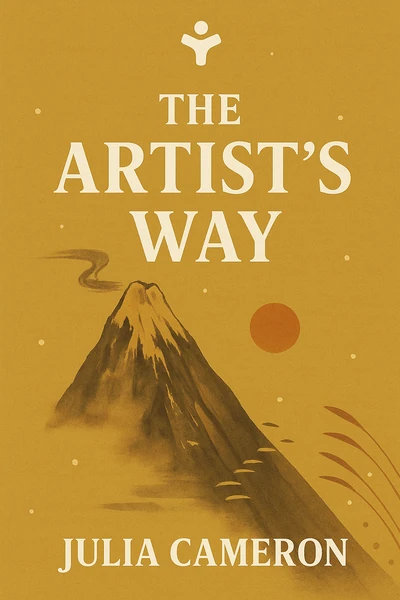
The Artist's Way: A Spiritual Path to Higher Creativity
Ready to Take Action?
Get the Mentorist app and turn insights like these into daily habits.