Question everything—even your own truths
Gil was sure his new diet was gold. Every morning he stepped on the scale—down half a pound! He scrolled Instagram for proof, double-tapped each success story and stored dozens of before-and-after photos.
Yet his weight never budged in six months. Each plate of veggies, every kale smoothie, could be explained away as “just a bad week.” Gil filtered out the misses and held only on to the hits.
This is confirmation bias: your brain irons out wrinkles in your theory by ignoring the bumps. Gil caught on when a fellow dieter flipped the script. “Show me when it didn’t work,” she challenged. Armed with missed weigh-ins and cheat days, he saw the full pattern for the first time.
From then on, Gil actively hunted disconfirming signs—meal logs that showed weight climb, nights he din’t touch his salad. It felt strange at first, but it led to real breakthroughs: he finally found what truly triggered the gain.
You know your convictions better than anyone, but they might be flawed. Start by listing your three strongest beliefs—whether it’s about money, fitness or management. Next, hunt down reputable sources that challenge each one—articles, studies or expert tweets. Finally, grab a friend and debate those counterexamples every week. You’ll be surprised how quickly your mind broadens and your decisions get sharper. Give it a shot this evening.
What You'll Achieve
You’ll transform blind spots into growth moments, reduce knee-jerk reactions and cultivate a habit of nuanced, evidence-based judgment.
Hunt for disconfirming evidence
List core beliefs
Write down three convictions you hold about work, money or relationships.
Collect contrary data
For each belief, seek out at least two reputable sources that challenge it—studies, articles or expert opinions.
Debrief and revise
Once a week, review your findings with a friend or colleague and decide whether to keep, modify or discard the belief.
Reflection Questions
- What beliefs do I clench without real proof?
- Where can I find credible sources that challenge my view?
- How would I change my plans if I accepted the opposing evidence?
Personalization Tips
- Career choice: if you believe “entrepreneurs earn more,” find cases of founders with no profit.
- Diet plans: if you think intermittent fasting works for everyone, research studies where it didn’t.
- Teamwork: if you assume “teams outperform individuals,” study projects that failed because of poor group dynamics.
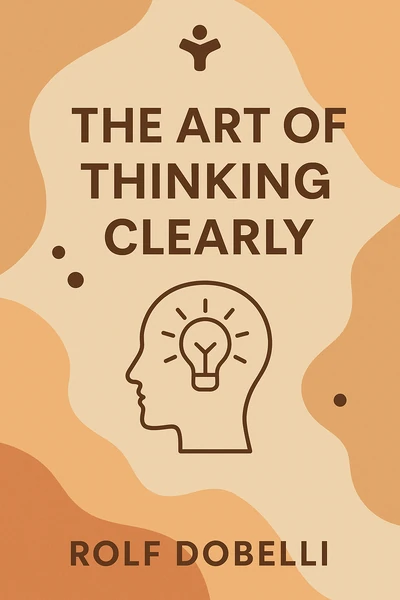
The Art of Thinking Clearly
Ready to Take Action?
Get the Mentorist app and turn insights like these into daily habits.