Embrace Anger Like a Chef with the Fire of Mindfulness
One crisp afternoon, Hiroshi slammed his laptop lid after a disappointed client call. The rattle echoed in his small home office. His jaw clenched, and heat coursed through his cheeks. Instinctively, he stood and took deep, steady breaths, imagining each inhale as fuel beneath a pot of simmering anger.
He sat on the edge of his chair, closed his eyes, and simply observed. The anger, like a red-hot flame, pulsed in his chest. Instead of suppressing it, he let it live—he labeled it, “This is anger,” and watched its shape shift. The ticking clock and distant traffic became background notes to his inner symphony.
After a few minutes, the acute sting softened. He asked himself where it came from: a fear of failure rooted in childhood expectations. Recognizing this story rewrote the heat into compassion for his younger self. This insight, supported by neuroscience findings on emotion labeling, reduced the amygdala’s reactivity and strengthened his prefrontal regulation.
Returning to his desk, Hiroshi composed a thoughtful response, acknowledging the client’s concerns rather than lashing out. His email opened with, “I understand your frustration, and I want to find a better solution.” This simple pivot, born from tenderly tending his own anger, transformed a conflict into collaboration.
You know that flare of anger when things go wrong. Next time it hits, stop and silently name it: “Here’s anger.” Use your breath as the flame under a pot—inhale to meet its energy, exhale to steady it. Sit for a few minutes and let the feeling ebb. Then gently ask what old fear or hurt it covers. Choosing understanding over reaction will change your next move. Try it at your next frustrating moment.
What You'll Achieve
Transform explosive reactions into insightful, measured responses, lowering stress and improving your relationships and decision-making.
Simmer Your Anger with Tender Attention
Notice and Name It
When anger arises, pause and silently label it: “I feel anger.” Naming it shifts your brain from impulsive reactivity into reflective awareness.
Breathe with the Heat
Imagine your breath as a gentle flame under a pot. Inhale to meet the anger’s energy, exhale to steady its intensity without damping it abruptly.
Sit and Observe
Give yourself a time-out—sit alone for a few minutes and let the emotion rise and fall. Treat it like a simmering stew, not a blow-torch to extinguish.
Trace Its Roots
After the steam settles, ask: “Where does this anger come from?” Look for underlying hurt or unmet needs to transform judgment into understanding.
Reflection Questions
- What personal story might underlie your frequent anger?
- How could labeling anger change your next reaction?
- When is the best moment in your day to practice this simmer technique?
Personalization Tips
- After a heated email thread at work, step away and practice the simmer technique before replying.
- When your child screams in frustration, breathe with them rather than shout back.
- If road rage hits, pull over safely, name your anger, and use these steps to cool down.
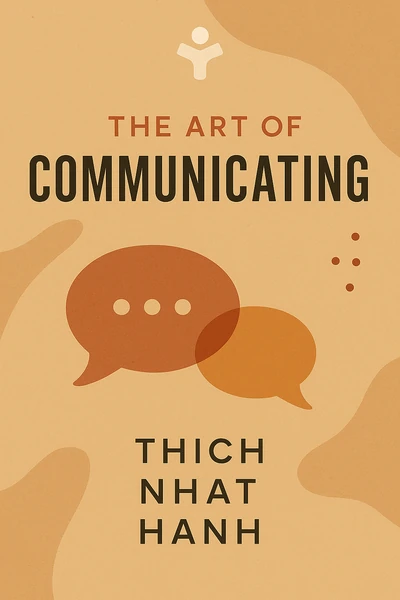
The Art of Communicating
Ready to Take Action?
Get the Mentorist app and turn insights like these into daily habits.