Master Right Speech with Four Simple Guidelines
Right Speech, in its essence, is more than polite conversation—it's an ethical compass for our words. Imagine you’re sharing an urgent update at work. You could say, “This issue is destroying all our progress,” or you could state, “This bug is delaying two key features by three days.” Both convey concern, but only one respects truth and clarity.
Historically, the Four Guidelines of Right Speech were outlined by early Buddhist practitioners to prevent harm through careless words. They saw that lies, exaggeration, divisive talk, and aggression all sowed distrust. Today, modern psychology confirms their insight: our social bonds depend heavily on perceived honesty and respect.
When you speak honestly, without drama, with consistent messages, and in calm tones, you activate the brain’s oxytocin pathways—sometimes called the “trust molecule.” This biological response fosters cooperation and reduces the stress hormone cortisol in listeners.
Practicing these four criteria becomes intuitive once you pause and run a quick mental check. Over time, you’ll notice fewer misunderstandings, more open dialogue, and stronger relationships. Words then truly become instruments of healing rather than weapons of discord.
Next time you prepare to speak—whether in a meeting or over coffee—run your words through four tests: am I being honest? Is there any exaggeration? Would I say this the same way to anyone else? And am I choosing a comforting rather than cutting tone? By pausing to apply these filters, your speech will become a bridge, nurturing trust and clarity in every conversation. Test it at your next check-in.
What You'll Achieve
Increase trust and reduce conflict by consistently speaking with clarity, honesty, and compassion, leading to more effective and harmonious interactions.
Track Your Words Against Four Criteria
Check for Honesty
Before you speak, ask: am I presenting facts or twisting the truth? Opt for accuracy over convenience.
Avoid Exaggeration
Notice if you’re inflating details to dramatize a point. Stick to precise language that reflects reality.
Maintain Consistency
Ensure you wouldn’t contradict this statement if talking to someone else. No double-talk or hidden motives.
Use Peaceful Tones
Choose words that heal and build bridges. Remove any insult or humiliation before you speak or write.
Reflection Questions
- Which of the four guidelines do you struggle with most?
- Can you recall a time when exaggeration caused misunderstanding?
- How might checking tone first change your daily conversations?
Personalization Tips
- When giving feedback to a peer, stick to observable behaviors rather than vague criticisms.
- Craft your customer email with clear, consistent information—so no one misunderstands.
- With family, share your truth calmly, without turning it into a lecture or exaggeration.
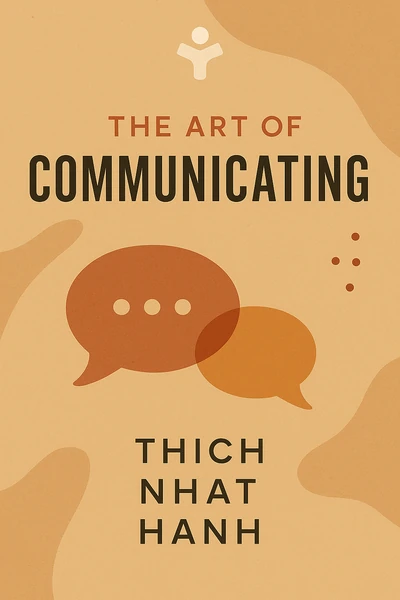
The Art of Communicating
Ready to Take Action?
Get the Mentorist app and turn insights like these into daily habits.