Say it when it counts and trade silence for honest connection
Silence feels safe until it isn’t. You carry the unsent text or the unasked question like a stone in your pocket. The moment to speak always looks awkward up close. So make it smaller. Write one true sentence. Choose a window where nobody’s sprinting to the next thing. Then count down and say the line.
A partner told me he drafted, “I feel distant, and I want to fix that together.” He said it on a slow Sunday, not after a long day. They walked the block, hands in pockets, and the air felt warmer even though the sun was low. Another client used, “I felt sidelined in that meeting,” while everyone packed up. The manager stopped, nodded, and set a time to debrief the agenda. The conversation took four minutes. The relief lasted all week.
You don’t need perfect phrasing, you need a clean opening and a shared aim. After your first line, pause. Let the other person step in. Then name what you both want—less tension, clearer roles, a better plan. When the conversation wobbles, breathe and return to the shared aim. “I might be wrong,” you can say, “but I want us on the same page.”
This approach uses basic communication science. Short, specific “I” statements reduce blame. Timing matters because depleted people defend more. A countdown overrides hesitation and gets you to the first word. Naming a shared goal shifts the frame from me‑versus‑you to us‑versus‑the‑problem. You’re not chasing perfect words, you’re choosing honest ones on time.
Draft the first honest sentence now, pick a calm window, then count 5‑4‑3‑2‑1 and say it. Keep your tone steady, use “I” language, and pause to listen before you add details. Name a shared goal so you both know why this talk matters, and let that be the guide if things get bumpy. Don’t wait for the perfect moment—create one this evening.
What You'll Achieve
Greater emotional clarity and trust, plus faster conflict resolution. Expect shorter, more productive talks and less simmering resentment.
Prep the line, then 5‑4‑3‑2‑1
Write the first honest sentence
Draft one clear line you’ve avoided, like, “I want us to talk about our budget,” or “I felt dismissed in that meeting.”
Choose a calm window
Pick a time without rush or fatigue. A short walk, kitchen table, or quiet office corner reduces defensiveness.
Count down and open gently
5‑4‑3‑2‑1 and speak your first sentence. Use “I” language, then pause to breathe and listen before adding more.
Anchor to a shared goal
Name what you both want: “So we can be on the same team,” or “So the project lands on time.” It frames the talk as collaboration.
Reflection Questions
- What truth have you avoided saying, and why?
- When is a calm window you can choose in the next 48 hours?
- What shared goal will you name to frame the conversation?
- How will you remind yourself to pause and listen after the first sentence?
Personalization Tips
- Work: “I want to revisit roles so we avoid duplicate work.”
- Home: “I miss our walks, can we plan one tonight?”
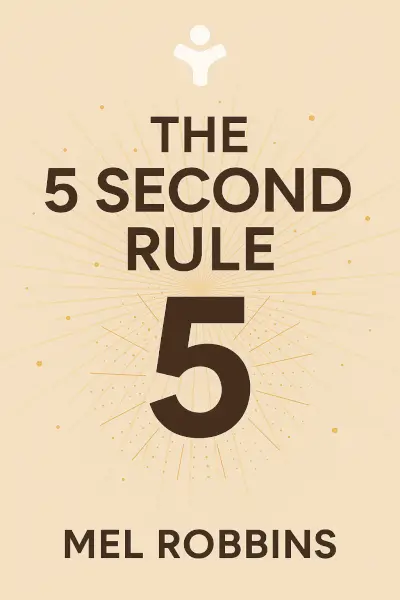
The 5 Second Rule: Transform Your Life, Work, and Confidence with Everyday Courage
Ready to Take Action?
Get the Mentorist app and turn insights like these into daily habits.