Turn stage fright into fuel by reframing anxiety as excitement
At a quarterly review, a project lead felt her pulse double as the CFO called her name. Her slides were ready, but her hands were damp and the room felt ten degrees warmer. She used to fight the feeling, telling herself to calm down, which only made the shaking worse. This time she whispered, “I’m excited,” three times, counted down, and walked to the screen.
By the second slide, her voice settled. A question came from the back and the old spike returned, so she glanced at her anchor thought, a mental picture of a teammate giving a small thumbs‑up after the meeting. She answered, eyes on the numbers, then moved on. Twenty minutes later, she stepped into the hallway and let the cool air hit her face. “Same body, different label,” she told a colleague.
A small example from music says the same. A choir student used to get tunnel vision before solos. She tried the excitement script backstage and walked toward the light when the cue came instead of waiting for courage. She still felt the buzz in her chest, but the sound that came out was steady. Afterward she laughed, “I guess my nerves were just energy I hadn’t pointed yet.”
The science backs their experience. Anxiety and excitement share the same physiological arousal. Reappraising that arousal as excitement gives the mind a story that fits the body, avoiding escalation. Adding a countdown prompts approach instead of avoidance, and an anchor thought serves as an If‑Then plan when fear spikes. Together, these tools maintain performance under pressure without needing to feel calm first.
When the surge hits, name it as useful—say “I’m excited” three times, then count 5‑4‑3‑2‑1 and walk toward the task. Keep one anchor scene ready for any spike and let it pull your attention forward while you speak or act. You don’t need calm, you need direction. Use this at your next presentation or tough call, and see how the energy works for you. Try it this week.
What You'll Achieve
Internally, reduce fear spirals and regain agency under pressure. Externally, deliver steadier performances in meetings, exams, sports, or conversations without needing to be calm first.
Rename nerves as usable energy
Catch the surge early
Notice racing heart, sweaty palms, or fast thoughts before a performance or conversation. That’s arousal, not danger.
Say “I’m excited” three times
Out loud if possible. Your brain needs an explanation, and excitement fits the body’s signals better than “calm down.”
Count down and move toward the task
Walk to the mic, open the slide deck, dial the number. Approach behavior teaches the brain there’s no threat.
Prepare one anchor thought
Picture a positive, specific scene after success—a handshake, a “thank you,” or stepping outside for fresh air. Use it if fear spikes.
Reflection Questions
- What signals tell you your arousal is rising?
- What exact phrase will you use to label it as excitement?
- What anchor thought will you prepare for your next high‑stakes moment?
- Where will you walk or what will you open at the count of 1?
Personalization Tips
- Sports: “I’m excited” in the huddle, then jog to the line while focusing on the first play.
- Conversations: Before a hard talk, anchor on the moment you both exhale and agree on the next step.
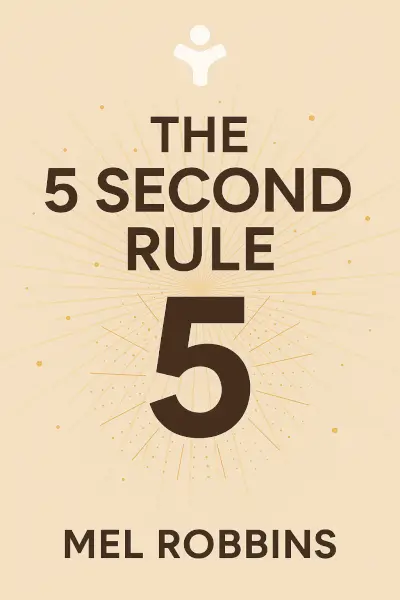
The 5 Second Rule: Transform Your Life, Work, and Confidence with Everyday Courage
Ready to Take Action?
Get the Mentorist app and turn insights like these into daily habits.