Create a leadership culture so growth outlives you
When the founder stepped back, the agency wobbled. Decisions slowed, new managers hesitated, and senior people took over the wheel again. Clients felt the drag. The leadership team realized they had celebrated heroics, not builders. Everyone could recall a night when someone saved a deadline. No one had a clear playbook for growing leaders on purpose.
They started by capturing their development system on a page: the four hiring C’s they’d used implicitly, a monthly mentoring cadence with assessment-challenge-support, and the equipping ladder for handing off work. They changed how they rewarded people. Promotions would require evidence of leader growth, not just personal output. A senior designer who trained and graduated two new leads would be ahead of a solo star.
Then they built crucible experiences on purpose. They designed stretch assignments with safety rails—a new client kickoff with the veteran shadowing in week one and out of the way by week three, followed by a structured debrief. Lessons were captured and shared. Finally, they faced the hard question, “Who can replace me?” Two names per role, real development plans, and a quarterly review to make room at the top by expanding scope or creating new initiatives.
Six months in, the vibe changed. Meetings contained more voices. People asked to be measured on how many leaders they graduated. When a director left, the handoff was smooth. Clients noticed consistency rather than personality. Culture had shifted from catching problems to creating people. That is what a leadership culture feels like: self-extending.
Write your development playbook so others can run it—your hiring profile, mentoring cadence, and equipping ladder. Change incentives so promotions and praise follow people who grow leaders, not just people who save the day. Create crucible experiences on purpose with stretch assignments and structured debriefs that include assessment, challenge, and support. Then plan succession before you need it, naming and preparing at least two candidates and making room at the top. If you do this for a year, your team won’t depend on a single personality. Start the one-page playbook this week.
What You'll Achieve
Internally, move from personality-driven to principle-driven leadership. Externally, reduce disruption during transitions and increase the supply of capable leaders who can scale the mission.
Bake development into how work gets done
Codify your development playbook
Write your hiring profile (character, chemistry, capacity, contribution), mentoring cadence, and equipping ladder so others can run it without you.
Reward development, not heroics
Tie promotions and recognition to how many leaders someone grows, not how many fires they solo-fight.
Make crucible experiences on purpose
Design stretch assignments with safety rails, then debrief with assessment, challenge, and support. Capture lessons learned.
Plan succession early
Ask, “Who can replace me?” Then prepare two candidates and make room at the top by expanding scope or creating new opportunities.
Reflection Questions
- If I left tomorrow, what leadership system would survive me?
- Who have I promoted from learner to leader in the last year?
- What stretch assignment will we design next month and how will we debrief it?
- Where can I create room at the top rather than wait for vacancy?
Personalization Tips
- Engineering org: Promote staff engineers who build other staff engineers, not just ship features.
- Nonprofit: Rotate promising leaders through fundraising, programs, and ops with guided debriefs.
- School: Let assistant principals run schedule design with coaching, then review outcomes together.
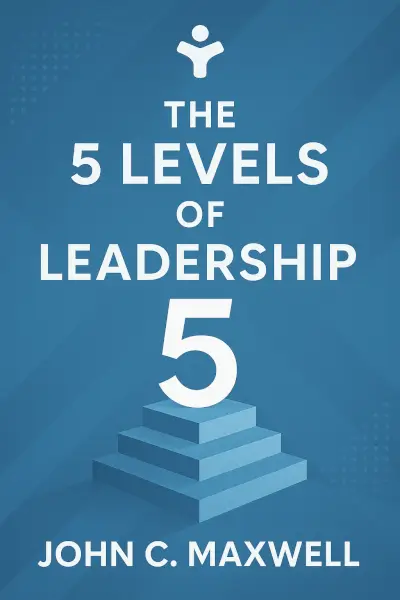
The 5 Levels of Leadership: Proven Steps to Maximize Your Potential
Ready to Take Action?
Get the Mentorist app and turn insights like these into daily habits.