Shield Your Focus How to Preempt Distractions and Obstacles
You’re mid-paragraph when a text chime steals your mind. You switch tabs, and thirty minutes later you’ve scrolled news feeds instead of drafting. That’s how distractions hijack your intentions.
Distraction is both an external push and an internal pull. You see a ping and instantly crave relief—a classic self-regulation failure. Being proactive means shutting off the ping before it arrives. I learned this when I set my phone to silent during writing blocks and felt a calm clarity wash over me.
Peter Gollwitzer’s research on implementation intentions shows that predeciding your responses—“If X happens, then I will do Y”—automates discipline. You don’t debate; you act. Combined with removing what you can, these strategies form a shield around your focus.
By mapping distractions and embedding clear if-then rules, you transform potential derailments into known triggers for productive behavior. You anchor control in the environment, not just your willpower.
First, list your common distractions and decide how you’ll remove each before you start working. Then write an if-then plan for what you’ll do when the phone rings or email pings. After your session, note which tactics succeeded and refine them for next time. Try it tomorrow morning.
What You'll Achieve
You will proactively protect your attention from common disruptors, leading to deeper focus, fewer interruptions, and more consistent progress.
Plan for Potential Roadblocks
List Typical Distractions.
Write down triggers like phone buzzes, emails, or background noise that steal your focus.
Choose Removal Tactics.
Next to each distraction, note a proactive measure—silence notifications, close unrelated tabs, or use earplugs.
Set If-Then Plans.
For obstacles you can’t eliminate, write rules: “If my phone rings, then I will finish my paragraph before answering.”
Test and Adjust.
After a work session, review which tactics worked and tweak your predecisions for next time.
Reflection Questions
- Which distraction recurs most often?
- How did removing it change my work flow?
- What if-then rule felt most effective?
- How can I strengthen my shield further?
Personalization Tips
- In a shared office: Use noise-cancelling headphones and post a do-not-disturb sign.
- When writing: Shut off email notifications and keep only your draft open.
- For studying: Lock your phone in another room and schedule 10-minute stretch breaks.
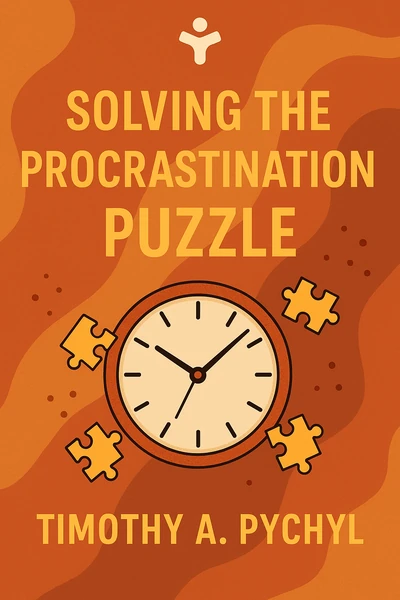
Solving the Procrastination Puzzle: A Concise Guide to Strategies for Change
Ready to Take Action?
Get the Mentorist app and turn insights like these into daily habits.