Why Breaking Coffee-Like Goals Boosts Consistency
When cold-turkey resolutions collide with real-world chaos, they often crash by day two. Quitting caffeine teaches us this well—go from three cups down to two for a week, and your brain adjusts without a headache. The same principle applies to homekeeping. Imagine tackling an overflowing laundry basket all at once. You might finish the first load, but day two’s pile looms larger and your motivation evaporates.
Instead, shrink that mountain into manageable molehills: toss loose socks, sort colors, fold one small batch. Each micro-task is doable in five minutes and primes your brain for reward. As each mini-win stacks up, your sense of agency spikes. The secret lies in the Zeigarnik effect—our brains crave completion. By systematically clearing small tasks, you build a habit that outlives an all-day marathon.
Research in behavioral science emphasizes "tiny habits" for durable change. Breaking larger chores into precise actions engages your prefrontal cortex without overloading it. You’re more likely to repeat wins than suffer punishing binges. Over time, those tiny “I did it” moments fuse into an identity: you are a person who routinely puts laundry away and declutters with ease.
Understanding this requires system-thinking—each micro-task adds up, and feedback loops maintain momentum. Stop viewing chores as dread-fests and reframe them as bite-sized victories, and watch consistency become your new standard.
Start by naming that one overwhelming chore and split it into two or three mini-tasks—like clearing mail, wiping crumbs, and stashing appliances. Pick one micro-task before bed or during a break, celebrate that win, then repeat tomorrow with the next piece. Gradual reduction builds friction-free habit loops, so you’ll end your week with the big chore done without the headache of a binge session. Give it a try this afternoon.
What You'll Achieve
You’ll shift mindset from dread to doable by mastering micro-progress and experience consistent completion rather than periodic binges.
Shrink Tasks Like Cutting Back Coffee
Identify the biggest cleaning hurdle
Pinpoint the chore you dread most—overloaded laundry, packing counters, or dusting. Name it to make it tangible.
Map mini-goals
Break that chore into 2–3 micro-tasks. Instead of "clean entire countertop," list "clear mail pile," "wipe crumbs," and "stash small appliances."
Set gradual targets
Aim to complete one micro-task per day before fully quitting the big task cold turkey. Just like reducing coffee from three cups to two, this taper method builds confidence.
Celebrate each step
Acknowledge each micro-task—text a friend, journal a checkmark, or savor a treat. Positive reinforcement cements the new habits.
Reflection Questions
- Which household chore feels most like driving to a coffee shop daily?
- How can you subdivide that chore into the smallest steps possible?
- What reward will you pair with each micro-task to reinforce the habit loop?
- How might the Zeigarnik effect influence your motivation after a single micro-task?
Personalization Tips
- To tackle study overload, cut your reading goal from three chapters to one per day and track that win to build momentum.
- If you can’t meditate for 20 minutes, start with five minutes daily—gradual tapering avoids burnout and breeds sustainable practice.
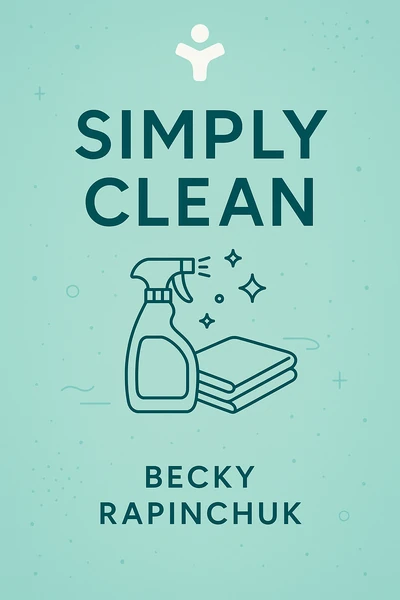
Simply Clean: The Proven Method for Keeping Your Home Organized, Clean, and Beautiful in Just 10 Minutes a Day
Ready to Take Action?
Get the Mentorist app and turn insights like these into daily habits.