Short-term sprints beat rigid long-term plans
You’ve always been told to plot your life like a highway, with one clear destination. But think back to the last time you genuinely felt alive—was it after you chased a rigid goal, or after you tried something new on a whim? Maybe it was the weekend you took that pottery class. Or the week you experimented with Italian cooking. You want to be mindful and steady—but sometimes that mindset leaves you stuck in a lane that no longer fits, long after your passion has coasted away.
The truth is, your next path isn’t a straight shot. It’s a series of sprints—short-term trials that teach you what works, and what doesn’t, without burning months of effort on the wrong choice. When you flirt with possibilities, your curiosity lights the way, and you learn so much more about who you really are and what you truly love. That’s far better than guessing your perfect fit at age twenty and promising yourself you’ll never look back.
The psychologist Herminia Ibarra calls it test-and-learn. You run quick experiments—shadow a designer, launch a blog, talk to a mentor—and then pause to see what stuck. You adjust your sails before the wind changes direction on you. This approach frees you from the fear of wasted time, because each micro-experiment brings clarity and confidence. And it keeps you agile so you can pivot to your best match instead of sinking into a career dead end.
You’ve penciled in quick micro-experiments—one month on a new skill, one hour a week of shadowing—so now let’s burnish that practice. Carve out that one-hour block as an immovable appointment, and treat it like a date with your future self. Then finish strong with a two-minute journal entry: what felt energizing, what burned you out, and what surprised you. Repeat next week without overthinking it. This rapid cycle of try, reflect, and adjust will steer you fast toward the work that truly fits.
What You'll Achieve
You’ll shed the weight of untested long-term goals and gain a nimble mindset toward work and life possibilities. Externally, you’ll build experiences that inform confident decisions about career moves, side projects, and skill building, reducing wasted effort.
Run Quick Career Micro-Experiments
Pick a new micro-goal each month
List three areas you’re curious about—coding, public speaking, graphic design—then choose one to explore for four weeks. Take a single online class or meet a pro over coffee.
Schedule a ‘flirt session’ weekly
Dedicate one hour to a trial activity. It might be a webinar on gardening or shadowing a friend at their office. Treat it like a brief date to test chemistry with that field.
Reflect with rapid journaling
After each micro-experiment, spend five minutes answering: What surprised me? What felt effortless? What drained me? This helps you spot matches early before deep diving.
Reflection Questions
- What activity would you try for a single month just to learn whether you enjoy it?
- When was the last time you felt stuck by a long-range plan?
- What fears surface when you consider stopping a pursuit midway?
- How can you reframe a ‘failed’ micro-experiment as useful data for your next one?
- Who could mentor or give you candid feedback after each short-term trial?
Personalization Tips
- Work: Try sitting in on a marketing meeting for a month before switching majors or careers.
- Health: Test a new workout style—like kickboxing or yoga—for four weeks instead of committing to a year-long program.
- Creative Hobbies: Pick up a guitar for a month, then a camera—see which spark lingers longer before investing heavily.
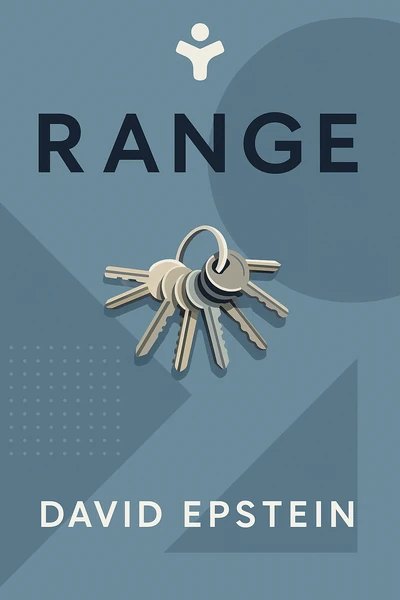
Range: Why Generalists Triumph in a Specialized World
Ready to Take Action?
Get the Mentorist app and turn insights like these into daily habits.