Learn to fall and rise with pride
Failure and success share the same roots—an experiment followed by feedback. In psychology, the growth mindset framework shows that viewing setbacks as learning opportunities sparks resilience. Yet most of us still wear mistakes as shame, not badges of progress. That’s odd, because every invention from penicillin to the smartphone was built on failed drafts and misfires.
Imagine a climber on rocks. Each slip reveals a loose hold and teaches better grip technique. No mountaineer ever reached the peak without sliding down first. But what if climbers refused to resume? They’d never scale higher than their first attempt.
When you treat each fall as data, you rewire your brain to see growth not guilt. Neuroscience tells us that practicing self-compassion during failure actually reduces the cortisol spike, helping you rebound faster. You physically recover quicker when your mind doesn’t wage war on you.
So let failures be your professor, not your prison. Each misstep is a lesson you can master.
Turn your next failure into fuel: log what it taught you, give it a headline, and share it with someone who’ll cheer your comeback. Then test a new move that reflects your lesson. Practice rising—then rise again.
What You'll Achieve
You’ll transform setbacks into actionable insights, boosting resilience and reducing self-criticism. Externally, you’ll iterate faster on projects, improving results through informed adjustments.
Turn failures into stepping stones
Log your lessons
After each setback, jot down what you learned about yourself—new limits, hidden strengths, or blind spots.
Reframe the story
Write a brief headline that transforms the failure into growth—“Bombed presentation → Became research champ.”
Share your story
Tell a trusted peer about this lesson. Hearing it aloud cements your ownership and normalizes imperfection.
Plan a low-stakes test
Take a small risk using your new insight—apply for a stretch task or try a fresh technique—and note the outcome.
Reflection Questions
- What failure taught you the most in the last month?
- How can you reframe it as a lesson headline?
- What’s one small way to apply that lesson tomorrow?
Personalization Tips
- A student revises a failed paper using new feedback and earns a higher grade next time.
- An entrepreneur tweaks a campaign after poor results and sees improved customer engagement.
- A parent admits a wrong approach, then tries a new strategy and feels more confident.
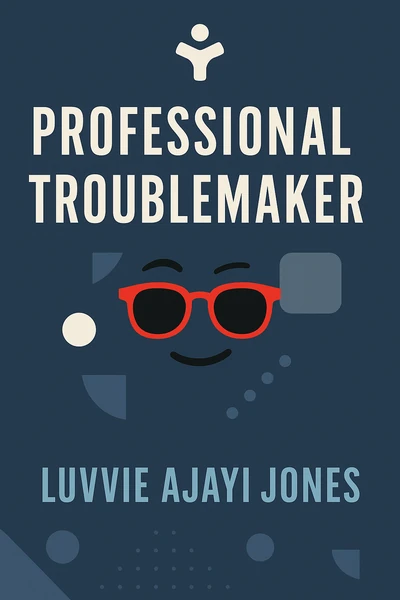
Professional Troublemaker: The Fear-Fighter Manual
Ready to Take Action?
Get the Mentorist app and turn insights like these into daily habits.