Turn Daily Tasks into Habit Anchors with Dishes Math
I used to dread emptying my dishwasher. I’d stare at the sink piled with bowls, mugs, and utensils, convinced it would take at least thirty minutes. One afternoon, I actually timed myself—it was six minutes total. The quiet beep of the oven timer hadn’t even sounded yet!
That revelation rewrote my mental script. I committed to running the dishwasher every night, no matter how small the load. If there were just two spoons and a coffee cup, I still pressed start. I loved the gentle hum and the sense that the kitchen was “done” before bed, freeing my mind to relax.
In behavioral terms, I discovered that the perceived difficulty of dishes was a cognitive bias—only an illusion from facing multi-day piles. Dishes Math shows how small, consistent efforts save exponentially more time than infrequent, massive undertakings.
A month later, my kitchen was almost always clear. The sight of a single dish no longer sparked dread but an immediate, easy action. By anchoring a daily habit around a realistic finish line, I eliminated a nagging chore and reclaimed calm at day’s end.
First, time a full dishwasher cycle to see it really takes under fifteen minutes. Then promise yourself you’ll run it every night, even if it’s not full, treating that as your finish line. Note how much time and stress you avoid by skipping big pile-ups. Give it a go tonight.
What You'll Achieve
You’ll replace dread with confidence in a manageable routine, cutting chore time and ending your day with a sense of completion.
Harness Dishes Math for Quick Wins
Time a single load
Set a timer and unload, load, and start your dishwasher; notice you finish in under fifteen minutes.
Run it nightly
Make it your finish line: no matter how few dishes, start your dishwasher each evening to avoid pile-ups.
Compare your times
After a week, note how much time you saved over tackling multi-day stacks, and let that reinforce your routine.
Reflection Questions
- What chores feel like huge projects but could take minutes if done daily?
- How might you redefine a ‘finish line’ for another task?
- What resistance comes up, and how can you remind yourself of the time you’d save?
Personalization Tips
- A student times a 10-minute review session each night to avoid all-nighter cram sessions.
- A runner logs a 15-minute stretch routine daily to prevent injuries later.
- A language learner practices vocabulary for a fixed five-minute finish line every evening.
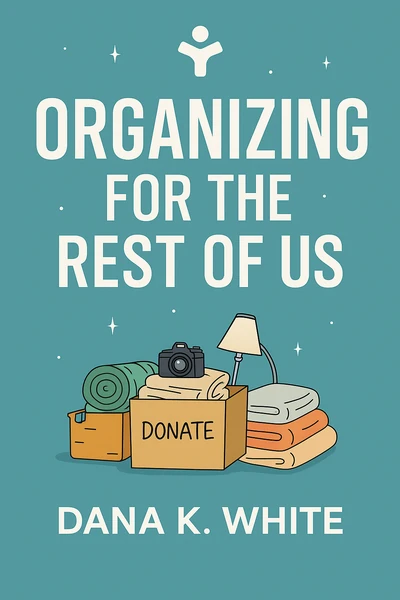
Organizing for the Rest of Us: 100 Realistic Strategies to Keep Any House Under Control
Ready to Take Action?
Get the Mentorist app and turn insights like these into daily habits.