Why Cleaning Alone Won’t Solve Your Clutter Crisis
You stare at your countertop, overwhelmed by the jumble of mail, toys, and coffee cups. It feels impossible to make progress, because you dive straight into scrubbing the microwave, only to find it buried under yesterday’s takeout boxes. I might be wrong, but most people skip the invisible work at the front of the line—decluttering and daily upkeep—so cleaning feels like an uphill battle.
Imagine your home as an onion. The outer skin is visible clutter—piles of papers or shoes by the door. Peel that back and you find your daily habits: dirty dishes in the sink, laundry in the basket. Under that lies the actual cleaning layer: dusting, vacuuming, scrubbing. If the top two layers aren’t under control, layer three will always feel too big to tackle.
When you first cleared the pile of takeout boxes, you unlocked a surprising burst of momentum. You saw the countertop again—smooth, clear, and ready to be wiped. That simple act of reclaiming space proved how quickly the visible layer can shift when you focus on decluttering and daily basics.
Behavioral research on habit stacking shows that tackling high-impact, small actions first fuels motivation. By removing clutter and keeping up with daily chores, the final cleaning step becomes less urgent, more manageable. That’s the power of peeling back the layers of a clean house.
First, scan a single surface and strip away anything that doesn’t belong, so you see the real countertop again. Next, pick out the four daily tasks you’ll commit to each evening—maybe dishes, trash, floor sweep, and a quick bathroom check—then do them before bed. Finally, create short cleaning slots in your calendar for dusting and vacuuming so layer three never feels impossible. Give it a try tonight.
What You'll Achieve
Internally, you’ll feel less overwhelmed and more in control; externally, you’ll reduce cleaning time by focusing on the right tasks and avoiding endless scrubbing sessions.
Peel Back Hidden Cleaning Layers
Identify clutter first
Walk through one room and note any surfaces piled with papers, clothes, or random items. If you can’t reach the countertop, that’s clutter, not dirt.
List daily basics
Write down the four things you need to do each day to stop piles from growing—like emptying the dishwasher or wiping the sink. Check them off this evening.
Schedule real cleaning
Block one or two quick sessions per week for dusting, vacuuming, and scrubbing. Treat these as separate from your daily tasks to avoid burnout.
Reflection Questions
- Which surfaces in your home are hidden under piles you ignore?
- What daily chores, if completed every day, would make the biggest difference?
- How can you carve out small, scheduled blocks for actual cleaning each week?
Personalization Tips
- A teacher clears her desk of student papers (clutter) before wiping it down each afternoon.
- An athlete shakes out and puts away sports gear (daily basics) so practice doesn’t turn the mudroom into a pit.
- A gamer sets a 15-minute weekend slot for dusting the console area (real cleaning) after managing cables and controllers.
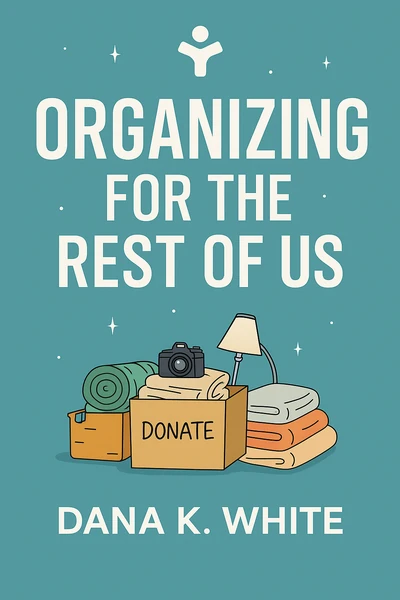
Organizing for the Rest of Us: 100 Realistic Strategies to Keep Any House Under Control
Ready to Take Action?
Get the Mentorist app and turn insights like these into daily habits.