Master Your Mind: System 1 and System 2 Shape Every Choice
Psychologists often describe our minds as having two systems. System 1 is fast, intuitive, and effortless—like grabbing popcorn at the movies without thinking. System 2 is slow, analytical, and energy-hungry—like solving a tricky puzzle under a timer. Most daily choices happen in System 1, letting us breeze through routines, but it’s also where predictable mistakes lurk.
In a classic test, you’re shown “10 + “ and a blank. Intuition shouts “10!” while careful thought reveals the correct answer is “5.” Both pop up instantly, but only the Reflective System stops to check. The result: you may buy high-fat snacks or skip my savings plan without even noticing.
To design better choices, we need to respect both systems. Good nudges remove friction for System 2 when planning—like precommitment forms—and add tiny obstacles for System 1 at the point of temptation—a fridge lock, for example. When mindless habits meet a thoughtful prompt, behavior shifts.
Understanding this interplay—first detailed by Nobel laureate Daniel Kahneman—is crucial for policymakers and product designers. By crafting interventions that speak to both fast instincts and slow reasoning, we can guide behavior without heavy-handed mandates.
Next time you face a snap decision—say, adding junk to your cart—build in a tiny pause: label your shopping list and refuse unlisted buys. At work, route important emails through a ‘review sheet’ before sending. These small prompts let your Reflective System step in. Try it today.
What You'll Achieve
Internal: boost awareness of impulsive shortcuts and develop mindful check-ins; external: reduce common errors like overspending or unhealthy snacking by 30%.
Design for Dual-Process Minds
Identify hotspots for errors
List decisions where you often rely on quick gut reactions—groceries, app installs, social scrolls. Notice where impulsivity dominates.
Add friction to slipups
Insert small delays or checklists before critical actions, like a ‘are you sure?’ screen before hitting purchase. It jolts you into reflection.
Strengthen habits with cues
Use environment triggers—like placing fruits at eye level—to turn good behaviors into Automatic System defaults.
Reflection Questions
- Which choices do you make too quickly without assessing the consequences?
- Where could you place a brief ‘stop and think’ prompt in your day?
- How might you rewire a habit by pairing an environmental cue with a reflective pause?
Personalization Tips
- Before you reply to an angry email, set a two-minute timer so your Reflective System can weigh in.
- At home, move your wallet farther from the door to nudge you against impulsive debit card swipes.
- To curb snacking, store chips in opaque boxes at the back of your pantry, making them harder to grab.
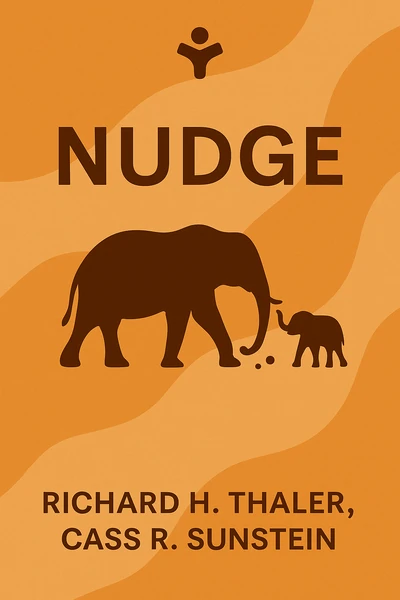
Nudge: Improving Decisions About Health, Wealth, and Happiness
Ready to Take Action?
Get the Mentorist app and turn insights like these into daily habits.