Give yourself permission to recharge without guilt
You hesitate at the door of the gym, your inner voice scolding you: “What about the emails you haven’t answered?” That voice slips under your radar every day. Now imagine a kinder whisper: “You deserve twenty minutes just for you.” Notice your breath. When you grant yourself that permission, tension loosens from your shoulders.
Say the words out loud: “I give myself permission to recharge.” Feel the soft click in your mind that signals a new choice is being born. Then watch how the world shifts. Time that felt squeezed expands into a gift. You notice the morning light, the breeze on your skin, and the satisfying rhythm of your feet against the pavement.
Psychological research on autonomy shows that feeling in charge of your choices not only boosts motivation but reduces stress. When you truly believe you can pause the relentless do-list to renew yourself, you tap into compassion—toward yourself and others—fueling empathy and joy.
This isn’t selfish; it’s essential. As you carry the memory of that gentle permission through your day, you discover that caring for yourself is a radical act of kindness that ripples outward. Every breath you claim grounds you, making you more present for what matters.
Start by listing the “I shouldn’t” objections you hear when planning your next movement break, then pretend you have Permission instead and notice how that feels in your body and mind. Next, tell a friend or read your Permission aloud in front of a mirror—“I give myself twenty minutes to recharge”—and block it on your calendar as a nonnegotiable appointment. Afterward, mindfully note how allowing yourself that time shifts your energy and compassion, and carry that shift into your next day.
What You'll Achieve
Replace guilt with self-compassion, making self-care a nonnegotiable priority so you consistently recharge, reduce stress, and enhance emotional resilience.
Grant daily self-care permission without shame
Identify self-care objections
List the “I shouldn’t” or “I don’t have time” thoughts that pop up when you plan to move. Seeing them on paper removes their hidden power.
Test pretending first
Try pretending you have Permission for a 10-minute walk after work. Note how that felt compared with the usual guilt or resistance.
Explain your needs aloud
Tell a friend or family member, “I need 20 minutes to recharge today.” Practice voicing your Permission to yourself in a mirror.
Schedule as nonnegotiable
Block time in your calendar for self-care and label it “Reserved.” Treat it like any other essential appointment.
Reflect on impacts
After each session, note how Permission shifted your mood or energy. Reinforce the value of prioritizing yourself for mental clarity.
Reflection Questions
- What thoughts pop up when you plan time for yourself?
- How did saying your Permission out loud feel?
- What changed after you reserved that self-care time?
Personalization Tips
- A busy nurse might say, “I give myself Permission to take a 15-minute walk break,” then add it to her shift log.
- A startup founder can block out Friday afternoons as nonnegotiable gym time to prevent burnout.
- A parent could tell their partner, “I’m allowed a few minutes of yoga while dinner cooks,” reinforcing shared responsibility.
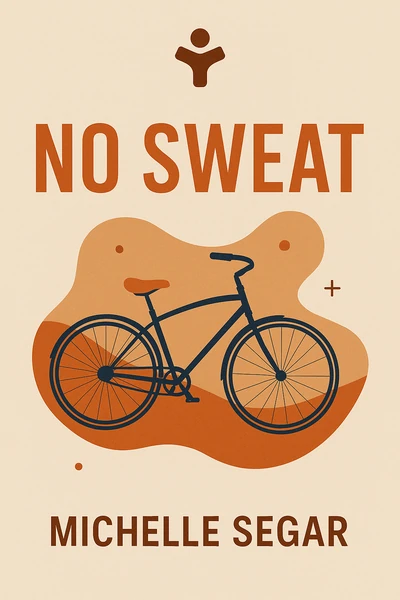
No Sweat: How the Simple Science of Motivation Can Bring You a Lifetime of Fitness
Ready to Take Action?
Get the Mentorist app and turn insights like these into daily habits.