Break the Perfection Trap by Acting on Imperfect Ideas
You stare at your blank screen, waiting for the words to flow perfectly. Your coffee sits untouched, steam curling up in thin wisps. You’re stuck in the trap of “I’ll do it when I’m ready.” Funny thing is, I’ve sat there too, watching the mug go cold.
Last month, I needed to send a pitch email but waited three days refining each sentence. The extra polish barely changed my message but killed my momentum. When I finally hit send, I felt relief more than pride.
A behavioral trick called “time-boxing” saved me next time. I gave myself exactly ten minutes to draft a subject line. The timer’s ticking turned my perfectionist impulses into rapid focus. My email went out half-composed, sure, but it sparked replies that helped me refine the idea far quicker.
Psychologically, perfectionism ties to a fear of negative evaluation. But by acting under time pressure, you force a shift from avoidance to approach behavior—your brain learns it can handle “good enough.” Over time, these small acts rewire your habit loop: anticipation to action to feedback, instead of rumination to anxiety.
So next time you hesitate, pick one task, set the shortest timer you can tolerate, and just go. You’ll learn more by doing than by waiting for readiness.
Pick that one thing you’ve hesitated on and give yourself just 15 minutes to do a rough first pass. When your timer buzzes, stop and share it with someone who’ll give honest feedback. Then write down what surprised you and how you can adjust. You’ll be amazed at how much momentum comes from starting imperfectly. Try it today.
What You'll Achieve
You’ll overcome analysis paralysis, build a habit of rapid iteration, and increase your confidence in launching any idea quickly.
Start Before You’re Ready
Choose a small imperfect task.
Identify one fear-filled activity—like sending a rough email draft—and commit to completing a basic version today instead of waiting for it to be perfect.
Time-box your effort.
Set a strict 15-minute timer to work on that task. Knowing you only have a few minutes reduces overthinking and forces progress.
Share your results quickly.
Send or show your rough draft to a trusted friend or colleague for feedback. Early reactions guide your next iteration faster than silent rumination.
Reflect on improvements.
At day’s end, note what you learned from sharing something imperfect and how it felt—often, the discomfort fades quickly once you try.
Reflection Questions
- What tasks have I delayed for perfection?
- How would a 15-minute timer change my approach?
- What insights emerged when I acted imperfectly?
Personalization Tips
- At school, submit a bullet-point outline for your report to the teacher to get guidance early.
- In a relationship, suggest one activity spontaneously rather than waiting to plan the perfect date.
- For your fitness goal, film a 30-second workout clip to share with a friend instead of waiting to master the routine.
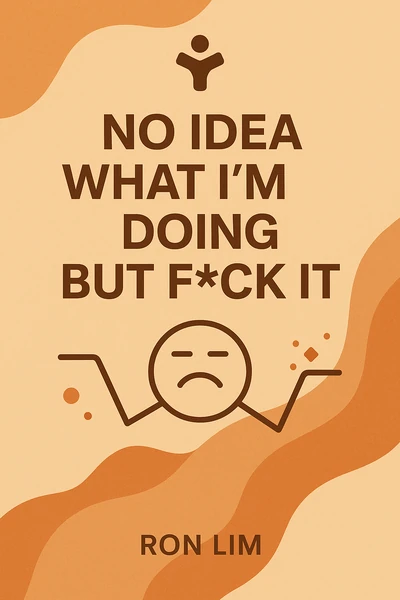
No Idea What I'm Doing But F*ck It
Ready to Take Action?
Get the Mentorist app and turn insights like these into daily habits.