Multiply impact by launching complementary products
Consider your favorite candy brand. You might start with a single chocolate bar, but then suddenly there are fudge squares, crispy bites, and mini-suckers—all variations built around your first treat. Each new candy not only tastes great but also rekindles your love for the original.
That is the snowball effect in action. After you’ve sold your first product reliably—say, twenty-five units a day—you unlock the power to introduce complementary items that ride on the success of your gateway product. Launch product two, and watch product one’s sales climb as loyal customers grab both. Then launch product three, and all three begin to feed one another, much like market momentum feeding a halo of demand.
This pattern is backed by marketing research on cross-selling and product cannibalization. When customers are already satisfied, they’re primed to try related offerings. If you do it right—solving a genuine need for the same audience—you’re not stealing sales from yourself but amplifying them.
Mapping out your product roller coaster ensures you stay on track. Decide early on which three to five products serve your customers best, sequence them strategically, and prepare to stoke anticipation between releases. In no time, your brand becomes a suite of solutions rather than a one-hit wonder.
You’ve successfully launched once, so now it’s time to broaden your brand’s appeal. Survey your customers to nail down the next most-wanted product, set a launch date a few months out, and revive excitement for your gateway product at the same time. Watch how the second launch boosts your first, then rinse and repeat for a third. You’ll have a suite of hits before you know it.
What You'll Achieve
You’ll transform a single product success into a scalable brand, multiplying sales across multiple items and creating a self-reinforcing growth machine.
Plan your brand’s product roller coaster
Review your customer’s toolkit
List the five products your audience already uses to solve their core problem. Identify which of these you haven’t offered yet.
Rank by demand
Survey your community to rank these list items from “most needed” to “least.” This prioritizes what to build next for maximum impact.
Schedule phased launches
Set launch dates six to eight weeks apart for the top three products. Give each its own marketing burst while maintaining buzz for the others.
Track interaction effects
After each launch, compare sales data across your entire product suite. Note how new products boost existing ones and adjust your rollout cadence.
Reflection Questions
- Which complementary products do my customers need next?
- How will I survey my audience to confirm demand?
- What timeline makes sense for each launch so we don’t burn out?
- How will I measure cross-product sales boosts?
- What story will tie these products together crisply?
Personalization Tips
- For chefs: If you launched a sauce, follow up with marinades, rubs, and cooking oils that pair perfectly.
- For writers: After publishing a planner journal, release matching notebooks, pens, and reading light accessories.
- For photographers: If you sell lenses, next launch camera rigs, memory-card cases, and lighting kits.
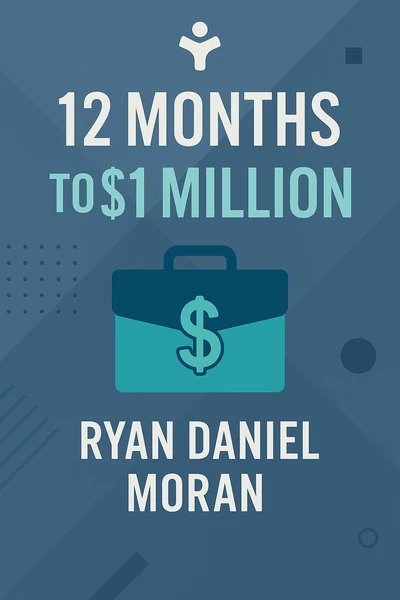
12 Months to $1 Million: How to Pick a Winning Product, Build a Real Business, and Become a Seven-Figure Entrepreneur
Ready to Take Action?
Get the Mentorist app and turn insights like these into daily habits.