Redirect cravings with your own mini routine
There you are, half asleep on the couch, the TV murmuring in the background as your hand drifts toward the pint of ice-cream. You don’t even consciously think about it anymore—it’s autopilot. That’s when your inner coach interrupts: “Hang on. One minute.” You set the spoon down and close your eyes.
For sixty slow seconds, you feel the cold air on your skin, the drum of blood in your temples, and your lungs filling with calm. The craving still lingers, but less like a roar, more like distant thunder. You push off the couch, do ten jumping jacks, and notice how your heart rate climbs and your brain lights up. That sugar-starved thought dribbles out of center court.
You sip a glass of water, feeling it settle in your stomach. Suddenly that ice-cream doesn’t look so magical—it’s near, but hazy. You promise yourself a fresh-air walk if you still want it. The night air greets you, and the craving fades into the breeze. You return two minutes later, and the ice-cream still sits there—unseen, unneeded.
You’ve just practiced a micro routine that turns craving into opportunity: stress-numbing breathing, willpower-free movement, and mindful hydration. Neuroscience shows that brief delay, sensory reset, and rewarding alternatives weaken the neural pull toward temptation. Every time you do it, you’re rewiring your cravings into choices.
Next time temptation strikes—ice-cream, chips, or late-night pizza—press pause and stand up. Breathe for a minute until your head clears, then do a quick burst of movement, like ten jumping jacks. Chug a glass of water and pick a small non-food reward if you still crave the snack. Notice the urge shrink; reinforce it as practice rather than panic. Give it a try tonight.
What You'll Achieve
You’ll learn to meet cravings with calm awareness instead of shame, redirect physical urges through brief activity, and instill healthier reward patterns—strengthening self-control and reducing impulsive eating.
Turn temptation into a strength test
Pause and breathe for 60 seconds
When cravings hit, step away for a one-minute breathing break. Focus on steady inhales and exhales to calm stress and sharpen mindfulness.
Move for 30 seconds
Do a brief push-up, stair climb, or dancing spell. Gentle movement redirects physical urges and enlists healthy habit cues.
Drink a full glass of water
Thirst is often mistaken for hunger. A single glass can satisfy dehydration and stall urge-driven eating.
Pick a non-food reward
Promise yourself a healthy non-food treat—a five-minute walk outside or a phone call with a friend—before reconsidering the snack.
Reflection Questions
- What craving most often catches you by surprise?
- How might a one-minute breathing break change your typical response?
- What healthy reward could replace that snack next time?
Personalization Tips
- At home after work, you pause to stretch before reaching for evening snacks.
- During a meeting break, you step outside to breathe deeply instead of raiding the office cookies.
- When craving soda in class, you take a quick walk around campus and sip water first.
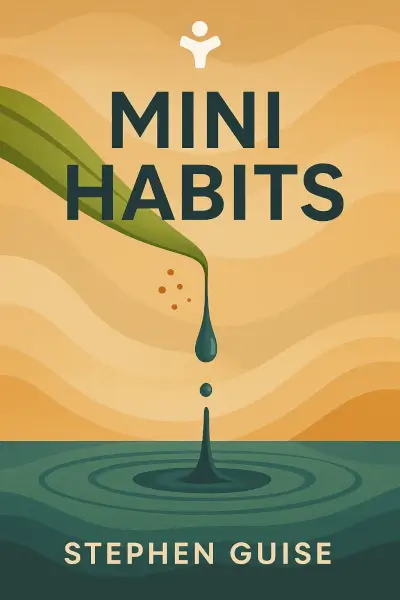
Mini Habits: Smaller Habits, Bigger Results (Mini Habits, #1)
Ready to Take Action?
Get the Mentorist app and turn insights like these into daily habits.