Inequality hits hard—we all feel the pinch of status gaps
In Berlin’s Kotti project, rents had soared so high that long-time residents felt powerless—jobless turks, gays and punks squeezed out. Neighbors who never spoke found themselves uniting over one demand: stop ripping us off. By blocking a main street with simple barricades, they drew the press and forced politicians to engage. What made the difference was shifting from isolation to collective action. Each person’s standing didn’t matter; they all sat at the same level, under one umbrella. They wrote their names on a shared roster, spent night-shifts talking past old prejudices, and rebuilt trust. When the bailiffs came, they faced a united front, not a scattered mob. Research shows that in highly unequal societies we all suffer more anxiety and depression—whether our rent’s rising or not. Bridging status gaps by working together on fair rules, rotating leadership, and mutual support rebalances our sense of worth, lowers stress and restores hope.
Gather a small group of neighbors or colleagues for an equal-status ritual—perhaps a weekly potluck or shared chore. Rotate roles so no one feels left out. Speak up once to suggest a fairness rule—like equal airtime at meetings. You’ll build a mini-community where status divides shrink and anxiety eases. Start tomorrow.
What You'll Achieve
You’ll cut anxiety by disrupting comparison loops and proving collective agency. Externally, you’ll strengthen local ties, reduce burnout, and model fairness.
Bridge the status divide
Map your social gaps
Write down two areas where you perceive big status gaps—income, career level, network reach. Note how often you compare yourself to those above or below you.
Limit comparison triggers
Identify one feed or habit that heightens status anxiety—LinkedIn updates, news sites, social media. Mute or unfollow for one week to disrupt the comparison cycle.
Build a local tribe
Volunteer for a community group—block-cleaning, mentoring, a hobby club. Working side by side on shared goals restores a sense of equal standing and mutual respect.
Speak up for fairness
In your team or family, propose one rule or ritual that levels the field—rotating leadership roles, equal airtime in meetings, shared chores. Small fairness boosts psychological safety.
Reflection Questions
- What status gap in your life fuels your anxiety?
- How could rotating roles change your team’s mood?
- Which small fairness ritual could you introduce at home or work?
Personalization Tips
- At work: Suggest rotating who calls the first client in weekly team huddles.
- In friendship: Propose a potluck where everyone brings one story instead of one meal.
- In local groups: Campaign for sliding-scale fees so newcomers can still join activities.
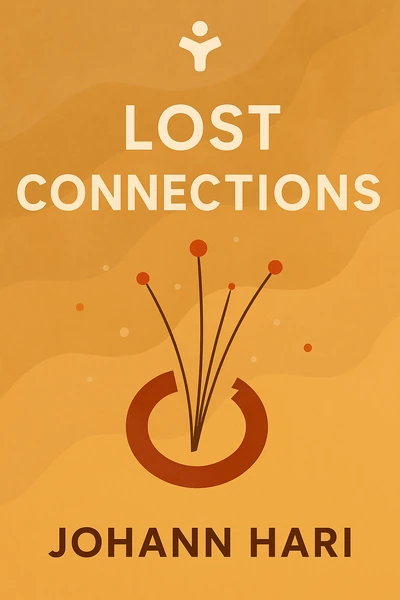
Lost Connections: Uncovering the Real Causes of Depression - and the Unexpected Solutions
Ready to Take Action?
Get the Mentorist app and turn insights like these into daily habits.