Loneliness is stress—reconnect before it wins
You’re stuck in your apartment again, scrolling newsfeeds until your phone vibrates. A single notification pops up—a colleague asking if you’re free for a five-minute chat. You feel a flicker of relief. Maybe you’re not isolated after all. Loneliness isn’t just an emotional state; science shows it floods your body with stress hormones, as harmful as chronic pain. But a quick real-time check-in with someone you trust can break the loop. Talking about your day for a few minutes rewires your brain from vigilance to safety. It’s not therapy—it’s basic biology. Start small tonight by texting a friend, asking how they are and sharing one sentence about your own day. Notice the tension leave your shoulders when they reply. Over time, you’ll rebuild a safety net that catches you when the world feels cold. Researchers call this social neuroscience: our brains evolved in tribes, not behind screens. When you restore even one lifeline, your heart rate steadies, cortisol drops, and your sense of belonging comes back.
Reach out to a trusted person for a five-minute chat this evening. Ask about their day, then share one small thing on yours. Plan a short shared activity—coffee or a walk—early next week. End by telling them you appreciate their support. You’ll notice the tension lift. Try it tonight.
What You'll Achieve
You’ll stop stress chemicals from rising by restoring a sense of safety and belonging. Externally, you’ll strengthen your support network and break isolation loops.
Build a two-way support link
List your close connections
Write down three people who make you feel safe. These could be a coworker, friend, or family member. If none come to mind, pick someone you’ve enjoyed spending time with even once.
Schedule brief check-ins
Block out two short 5-minute slots this week to message or call one of them. Aim for a two-way check-in—ask how they are, then share a small update about yourself.
Plan a shared activity
Choose an activity you both enjoy—a coffee date, short walk, game night. Mark it on your calendar, and stick to it. Shared experiences build trust and release oxytocin, reducing cortisol.
Express appreciation openly
Tell them, in one sentence, why you value them. Gratitude strengthens bonds and reminds your brain you’re part of a caring circle.
Reflection Questions
- Who in your life makes you feel safest with one message?
- What first-step conversation could ease your loneliness today?
- How would a five-minute check-in change your stress levels this week?
- Where could you arrange a shared activity to rebuild trust?
Personalization Tips
- After work: Text a colleague you trust and suggest grabbing a quick coffee to share wins and struggles.
- On weekends: Invite your neighbor for a park stroll and exchange a kind word about your week.
- In remote projects: Propose a 10-minute daily stand-up video call with a teammate to swap ideas and frustrations.
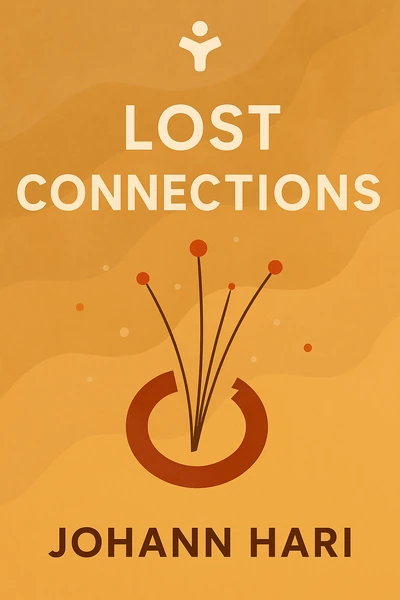
Lost Connections: Uncovering the Real Causes of Depression - and the Unexpected Solutions
Ready to Take Action?
Get the Mentorist app and turn insights like these into daily habits.