Harness cold and heat to unlock stress-response genes
When you step outside into a sharp autumn morning with just a T-shirt, you feel your body tingle—blood rushes, senses sharpen. That’s your survival circuit waking up, calling out for extra resources to keep you alive. Centuries ago, our ancestors used temperature swings to stay alive on hunter-gatherer raids. Today, we can use the same hack to train our longevity genes.
Saunas and cold showers induce “hormesis,” mild stress that spurs cellular defenses. Brown fat lights up, making heat instead of storing excess energy. On the cold side, mitochondria ramp up to shiver and burn nutrients. On the heat side, sirtuin and HSP70 proteins help refold damaged proteins and clear debris.
Winters used to be all about plating on fat for warmth; now, regulated exposure to hot and cold can reawaken youth pathways. Yoga classes with alternating cold plunge tubs and steam rooms are becoming mainstream. All it takes is a 2-minute cold splash or a single sauna visit—and your body learns a little more resilience every time.
Whether you jump in a cold shower, roll down the car window, try a steam room or set aside time for a sauna, these simple temperature challenges drive your stress-response genes into action, protecting your cells and boosting vitality. Give door number two a turn tonight and feel the difference in your core.
What You'll Achieve
You will build resilience by activating thermogenic and repair pathways in your cells, bolstering internal defenses against inflammation and metabolic decline. Externally, you’ll notice sharper focus, faster muscle recovery and improved circulation.
Stress your body with simple temperature shifts
Take a 2-minute cold shower
At the end of your daily shower, switch to cold water for two minutes. Focus on steady breathing to tolerate the initial shock and boost blood flow.
Add a weekly sauna session
Spend 10–15 minutes in a sauna at least once a week. Let your core temperature rise, then cool down naturally to engage heat-shock proteins.
Open a window at night
If weather permits, leave a window open in your bedroom. Mild nighttime cooling helps bolster brown fat activity and metabolic health.
Track your core temperature
Use a simple wearable or an under-tongue thermometer to confirm you’re reaching a beneficial range—either a small rise in the sauna or a mild dip when commuting in cold air.
Reflection Questions
- How do you usually react to cold or heat? What emotions come up?
- What obstacles keep you from adding a brief cold shower? How might you overcome them?
- Where can you safely fit a sauna or steam room visit into your routine?
- How will you measure improvements in recovery or energy after temperature sessions?
Personalization Tips
- A cyclist ends each ride by jumping into a cold plunge for two minutes to speed muscle recovery.
- A remote worker installs a compact infrared sauna chair in her home office for midday heat sessions.
- A commuter skips the heat in the car and rolls down the window for a brisk 5-minute cool-down before an afternoon meeting.
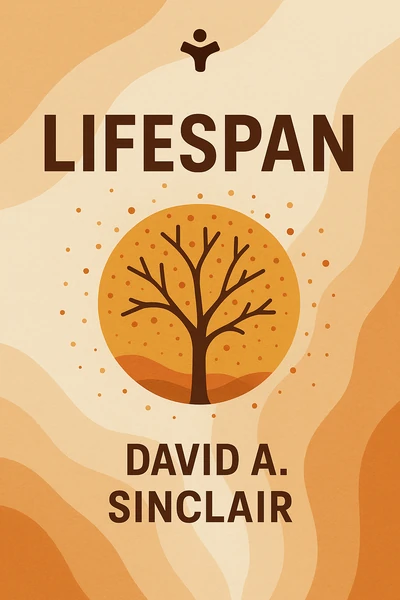
Lifespan: Why We Age—and Why We Don't Have To
Ready to Take Action?
Get the Mentorist app and turn insights like these into daily habits.