Aging isn’t an inevitability but a treatable disease
You’ve been told all your life that groaning knees and thinning hair are just part of getting older. It’s a soothing line, but it steers you toward inaction. Imagine instead learning that aging is a disease—one you can treat before it wreaks havoc. You’d feel empowered, not paralyzed by fate.
When I first heard that aging can be slowed and even partly reversed, it felt counterintuitive. My parents aged so naturally, it seemed fixed. But as I dug into the research, I discovered thousands of studies showing metabolic tweaks, fasting protocols and targeted therapies that fight the root causes of decline. The weight lifted when I realized I didn’t have to wait passively.
You can start today. What if you saw aging as just another condition—like high blood pressure—and took small measured steps to manage it? That shift in mindset makes all the difference. You’ll stop saying “I’m too old” and start asking “How can I be 20 years younger at 60?”
You can choose to talk back to the voice that says “this is just how it goes” and declare it wrong, invite your doctor to run a prevention-focused blood panel, share your new perspective with friends to multiply the impact, and pick one concrete longevity measure—like scheduling a weekly sauna session—to track for a month. Give it a try tonight.
What You'll Achieve
You will shift from a resigned mindset to proactive empowerment, feeling confident about treating aging and motivated to pursue health-extending habits. Externally, you’ll set clear prevention goals, improve doctor-patient conversations, and implement at least one science-backed intervention right away.
Reframe aging as a treatable condition
Notice your internal dialogue
Pay attention when you think “that’s just how aging works.” Recognize that this mindset limits your actions and keeps you from exploring proven ways to extend healthspan.
Talk to your doctor about prevention
Request a blood panel and ask about biomarker-guided screenings. Frame your visit around long-term vitality, not just treatment of acute symptoms.
Share your new outlook
Explain to friends or family that aging is modifiable. Set up a discussion group or health-focused dinner so everyone learns that longevity science is here.
Set one aging-prevention goal
Choose one specific measure—like a weekly fast or a sauna visit—to test for a month. Record how you feel and share results with a trusted friend.
Reflection Questions
- When was the last time you accepted aging as unchangeable? How did that belief hold you back?
- Who in your circle would benefit if you shared the idea that aging is a disease you can treat?
- What small habit—fasting, sauna, exercise—could you commit to for the next month to test this mindset shift?
- How would your life look if you treated aging with the same urgency as controlling cholesterol?
- What do you fear might happen if you challenge the idea of inevitable decline?
Personalization Tips
- At work, reframe team wellness programs around “treating aging” with resilience-boosting habits rather than just stress relief.
- In a family setting, have relatives track and compare their biometric data monthly to see aging as a modifiable process.
- For athletes, shift training conversations from “preventing injury” to “preserving youthful muscle and nerve vitality.”
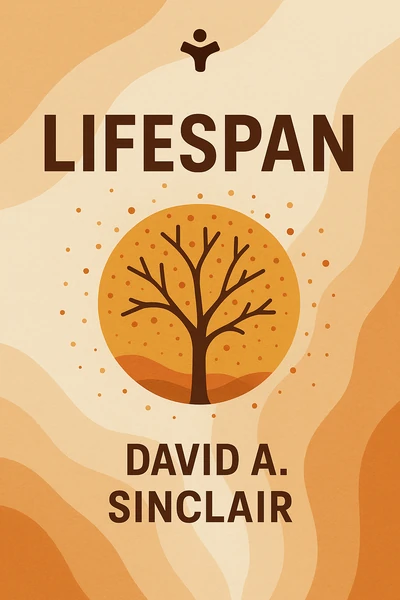
Lifespan: Why We Age—and Why We Don't Have To
Ready to Take Action?
Get the Mentorist app and turn insights like these into daily habits.