Measure like a boxer test light, adjust fast, and change the combo
Boxers don’t throw the same punch all night. They test range with jabs, watch reactions, and change the combo. Content works the same way. When you tweak one element at a time, you learn which move matters—the opening line, the first three seconds, the thumbnail, or the posting time. When you change everything, you learn nothing.
A student group promoting a film night ran two posters. Version A’s first slide shouted the title; Version B opened with a bold claim: “Free popcorn until the bag is empty.” Saves doubled on B. The next week, they kept the claim but tested a different visual. Watch time improved again. With each small test, they didn’t get louder, they got smarter.
This is the OODA loop—observe, orient, decide, act—shrunk to a weekly habit. Pre‑deciding what you’ll do with results reduces bias and speeds learning. Over time, patterns emerge: hooks that spark curiosity, thumbnails that pop, times that fit your audience’s day. You build a playbook by testing light and adjusting fast.
Choose a single element to test—hook, thumbnail, or first sentence—and publish two or three variants to similar audiences within two days. Decide in advance what metric matters for that test and what you’ll do if A wins or B wins, then follow through without debating it to death. Capture the results in a lightweight log so you can spot repeatable hooks, visuals, and times across weeks instead of chasing one‑off hits. Treat each week like a round: observe, orient, decide, and act again. Start your first test this week.
What You'll Achieve
Internally, build a calm, curious mindset that treats content like experiments, not verdicts on your talent. Externally, lift saves, watch time, and clicks by iterating the parts that matter most.
Run weekly micro‑experiments
Pick one variable to test
Change only the hook, the thumbnail, or the first sentence—one at a time—so you know what moved the needle.
Set a tiny sample size
Ship two to three variants to similar audiences within 48 hours. Let the first 200–500 impressions guide the next move.
Decide in advance
Write down what you’ll do if A wins or B wins. Pre‑committing prevents bias and speeds iteration.
Log patterns not anecdotes
Track wins across weeks. Look for repeatable hooks, visuals, and times of day rather than one‑off hits.
Reflection Questions
- Which single element should I test next?
- What metric truly defines success for this test?
- How will I make decisions faster without second‑guessing?
Personalization Tips
- Campus club: test two first slides for an event carousel and keep the one with higher saves.
- Food truck: try two opening lines on Reels and double down on the one with better watch time.
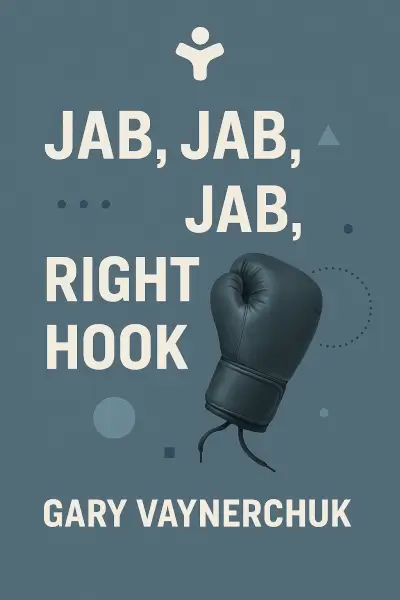
Jab, Jab, Jab, Right Hook: How to Tell Your Story in a Noisy Social World
Ready to Take Action?
Get the Mentorist app and turn insights like these into daily habits.