Use descriptive praise to build identity, not approval chasing
Kids read our praise as a mirror. If the mirror says, “You’re the best,” they shine until the next stumble, then hide. A different mirror shows process. “You spotted the mistake and fixed it.” Now the child learns what to do, not who to impress. In a kitchen crowded with homework papers and a buzzing phone, you glance up and decide which mirror to hold.
Descriptive praise starts small. You notice effort, strategy, or improvement. You link the action to the outcome, then you sum it up with one word that fits: persistent, careful, kind. When you avoid comparisons, you remove the need to beat someone else to feel proud. When you skip backhanded praise like “Finally neat,” you protect motivation.
This style doesn’t ignore the product. It just treats the path as the part worth repeating. Children who hear detailed feedback can transfer it to the next task. They also weather setbacks better, because pride lives in controllable actions.
The science lines up with this shift. Process‑focused feedback supports a growth mindset and builds self‑efficacy, the belief “I can do this with effort and strategies.” Comparative or evaluative praise can produce fragile confidence and reduce risk‑taking. Descriptive praise creates an identity based on choices and skills, not on your approval. That identity travels with them when you’re not there.
Catch one small action, describe it in concrete words, tie it to the result you saw, then offer one fitting trait label at the end. Keep comparisons and sarcasm out of it so the child can focus on what they did that worked. Try this with tonight’s homework or chores and listen for how your own voice changes. It’s brief, specific, and surprisingly powerful.
What You'll Achieve
Internally, you shift from judging to noticing, which lowers tension and raises empathy. Externally, children persist longer, take smarter risks, and repeat effective strategies without nagging.
Describe effort and strategy precisely
Spot the specific
Name exact actions: “You checked your answer and caught your own error,” not “Good job.”
Link action to effect
Add, “That persistence got you all the way through the set.” Cause‑effect helps the brain tag what to repeat.
Sum it up in one word
After details, label the trait they displayed: “That’s resourceful.” The order matters: detail first, label last.
Avoid comparisons and backhanded praise
Skip “better than your sister” or “finally.” Comparisons create rivalry, and backhanded praise breeds shame.
Reflection Questions
- What behaviors do I want to see more of that I can describe today?
- Where do I slip into comparison or backhanded praise?
- How can I connect action to effect in one sentence?
Personalization Tips
- School: “You tried three openings before the one that works. That’s creative.”
- Sports: “You kept your head up after the missed shot and made the next pass. That’s resilient.”
- Home: “You put all the Legos back by color. That’s organized.”
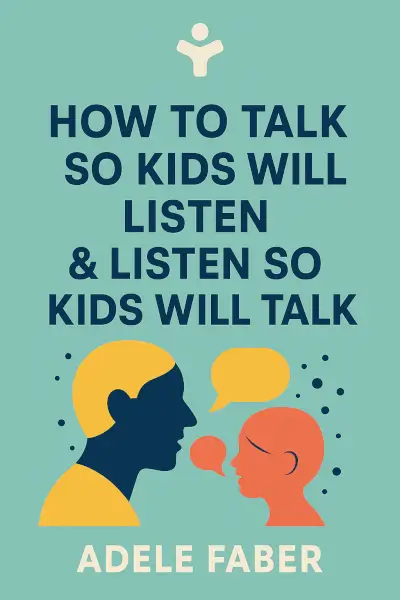
How to Talk So Kids Will Listen & Listen So Kids Will Talk
Ready to Take Action?
Get the Mentorist app and turn insights like these into daily habits.