Offer real choices, not threats in disguise, to reduce defiance
You’ve probably tried offering choices that secretly weren’t choices. Kids sense the trap and either dig in or pick the option you hoped they wouldn’t, just to prove a point. The kitchen clock clicks louder, and you feel the day slipping while the argument grows. Real choices change that pattern. They give a small slice of control inside a firm frame.
You start by checking yourself. Would you accept both options? If not, you’re threatening, not choosing. You state the shared goal, like leaving on time, then name two paths that both work for you. Keep it short. Hovering or re‑asking invites a debate you don’t want. Step away, sip your now‑lukewarm tea, and let the choice do its work.
When a child resists even fair choices, go back one step to feelings. A quick acknowledgment often unlocks stuckness: “You hate stopping mid‑game. The problem is dinner’s hot now. Timer for two more minutes or pause and help set the table?” That pairing of empathy and options reduces the need to fight just to be seen.
This tactic leverages psychological reactance, the urge to protect freedom when it feels threatened. By building choice into limits, you lower reactance and increase buy‑in. It also supports autonomy, which boosts intrinsic motivation. The structure still comes from you, so routines don’t fall apart. Over time, children start proposing their own acceptable options, a sign they’re internalizing the skill.
State the shared goal, then offer two or three options you truly accept and keep your voice matter‑of‑fact. If you feel tempted to add a sting, pause and remove the fake option. After you offer, step away and let your child choose without hovering. If they stall, return with a quick feeling name and put the same choices back on the table. Try it during the next morning crunch.
What You'll Achieve
Internally, you trade control battles for calm confidence and clarity. Externally, you’ll see faster decisions, fewer stalemates, and growing child independence during routines.
Audit your choices for fairness
Test acceptability on both sides
Before speaking, ask, “Would I truly accept either option, and would my child?” Remove any that are fake or punishing.
Keep the choices short
Two or three options are enough. Too many becomes pressure and delays action.
State the shared goal
Say, “We both want you ready by eight.” Shared goals reduce power struggles.
Exit after offering
Give the choice, then step away. Hovering invites negotiation or resistance.
Reflection Questions
- Which of my common choices are actually threats in disguise?
- What shared goal can I name to lower defensiveness?
- Where can I step away instead of hovering after I offer options?
Personalization Tips
- Morning rush: “Teeth first or shoes first? We both want to leave on time.”
- Teen boundary: “Home by eleven‑thirty or midnight? You’ll text when you arrive.”
- Homework: “Start with math or reading? Timer for twenty minutes.”
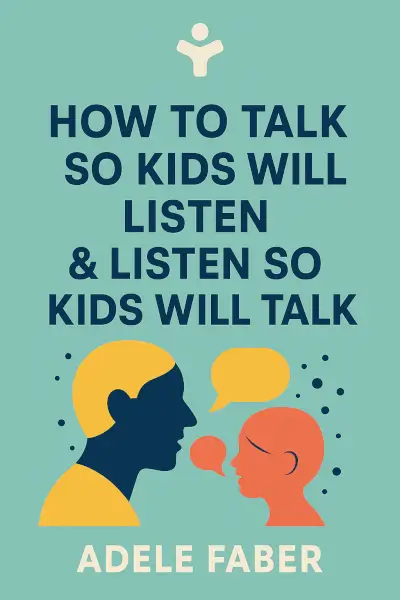
How to Talk So Kids Will Listen & Listen So Kids Will Talk
Ready to Take Action?
Get the Mentorist app and turn insights like these into daily habits.