Stop saying but when feelings explode and watch resistance drop
When people hear no, their brains scan for fairness. If they don’t feel understood, they push harder. A small word often makes it worse. But dismisses everything that came before it. “I know you’re upset, but…” can feel like a door shutting. Children hear, “Your feelings don’t count,” and their nervous system fires up. You see louder voices, flailing arms, or icy silence. You feel your chest tighten and your coffee go cold on the counter as the argument loops again.
There’s a simple switch. Start by naming the feeling with precision, then state the constraint using the phrase, “The problem is.” This pairing does two things at once: it validates emotion and clarifies reality. The tone matters. A flat voice sounds like “calm down.” A warm, matching voice says, “I’m with you.” Now you can offer a few options that all work for you. Small choices create agency and reduce the need to fight.
Sometimes there is no satisfying fix. That’s when a short wish in fantasy helps. “I wish I could teleport those shoes dry,” said with a little smile, lets the child feel the want without turning you into the fixer of the impossible. Paradoxically, seeing is soothing. The storm passes faster when the weather is allowed.
This approach rests on two ideas. First, emotion labelling reduces arousal by engaging the prefrontal cortex, a finding often summarized as “name it to tame it.” Second, reactance theory says people resist when they feel their freedom is threatened. Replacing but with the problem is reduces threat and invites problem solving. Choices restore a sense of control, which boosts cooperation. You’re not sugar‑coating limits. You’re making them easier to accept.
Start by saying out loud what the feeling looks like, then swap but for the problem is to keep the door open. Offer two or three choices you can live with, and when there’s no perfect fix, add one light wish in fantasy to show you see the desire. Keep your tone warm and concise so your words soothe, not inflame. Try it at the next shoe or homework standoff and notice how quickly the volume drops. Give it a try tonight.
What You'll Achieve
Internally, you learn to validate feelings without surrendering your boundary, reducing your own stress and guilt. Externally, you’ll see faster recovery from meltdowns and smoother transitions, with children accepting limits more often on the first try.
Swap but for language that honors
Name the feeling vividly
Match your child’s emotion in tone and words without mocking. Try, “You’re furious those pink shoes are soaked. You planned that outfit.” Use concrete details to show you get it.
Replace but with the problem is
Say, “The problem is we need to leave in five minutes.” This keeps the door open to solutions instead of erasing feelings.
Offer a short menu of options
After acknowledgment, offer two or three realistic choices: “Purple sneakers now, pink on the heater for after school, or sandals with socks.” Keep them all acceptable to you.
Use one wish in fantasy
When no perfect fix exists, ‘give in’ playfully: “I wish I had a shoe‑dryer wand right now.” It signals you see the desire even if you can’t grant it.
Reflection Questions
- Where do I most often use the word but after validating someone?
- What constraints do I need to state clearly without apology?
- Which two choices could I offer next time that I truly accept?
- How can I use a light wish in fantasy without sounding sarcastic?
Personalization Tips
- Classroom: “You’re disappointed the field trip is postponed. The problem is the buses are off route. Help me pick a backup plan.”
- Work: “You’re annoyed the deadline moved up. The problem is the client needs the draft today. Choose: trim scope or pair with me for an hour.”
- Health: “You’re tired and hate the gym tonight. The problem is your knee stiffens if we skip. Ten minutes of cycling or a walk outside?”
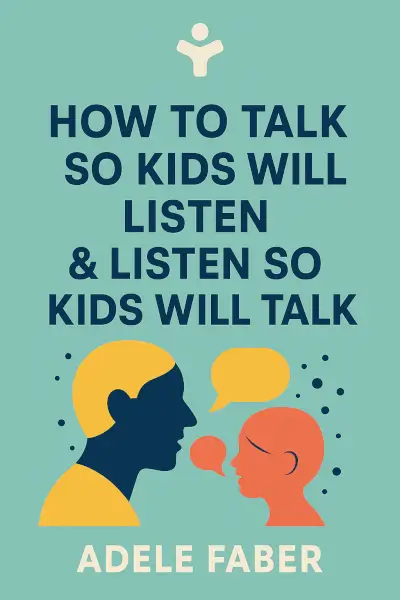
How to Talk So Kids Will Listen & Listen So Kids Will Talk
Ready to Take Action?
Get the Mentorist app and turn insights like these into daily habits.