Moments of wonder banish habitual mind blindness
It’s easy to race through the morning, coffee in hand, without really seeing anything. But when you slow down and really look at a simple leaf—trace its veins with your eyes—you might catch a flash of wonder. A tiny bug skitters across the surface, the light turns it iridescent, and suddenly you feel like you’re meeting nature for the first time. A mug of tea steams gently in your palm, releasing scents you’ve learned to ignore. By treating the everyday as extraordinary, you shake your brain awake, breaking free of mind-blindness. Neuroscience tells us these moments of “virginal noticing” activate networks for attention and curiosity, helping you inhabit the present and feel alive. Embrace these tiny mysteries—they keep your mind agile and open to new possibilities.
By pausing to truly see a leaf, a teacup, or a raindrop, you break the spell of routine and spark fresh neural pathways of curiosity. Make it a daily ritual—choose one object to explore in high detail each morning—and watch your sense of wonder grow.
What You'll Achieve
You’ll restore your capacity for vivid awareness and presence, enhancing mood and creativity. Externally, you’ll notice details that often lead to innovative ideas and deeper connections.
Cultivate daily wonder practices
Spot one new detail.
Each morning, pause for two minutes and notice one object—leaves, sky, a cup—and jot down what you see that you never noticed before.
Ask tiny childlike questions.
Pick something familiar (your shoes, coffee mug) and ask yourself why it looks, feels, or smells the way it does—just as a child might.
Record brief reflections.
Spend one minute capturing how this fresh noticing changed your mood or thoughts, reinforcing your brain’s capacity to see the novel in the ordinary.
Reflection Questions
- What ordinary object could you examine with fresh eyes today?
- How did noticing that detail change how you felt in the moment?
- When did curiosity last lead you to a creative insight?
Personalization Tips
- Writers: Observe a street corner and add one fresh detail to your next anecdote.
- Managers: Notice the clock’s ticking rhythm and ask how time shapes your team’s pace.
- Fitness: Tune into the texture of your running shoes hitting pavement to heighten body-mind connection.
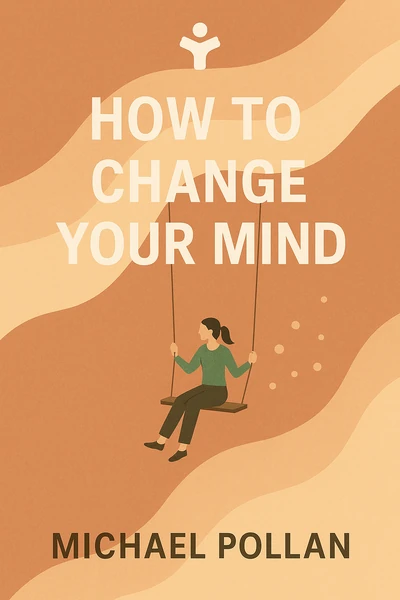
How to Change Your Mind: What the New Science of Psychedelics Teaches Us About Consciousness, Dying, Addiction, Depression, and Transcendence
Ready to Take Action?
Get the Mentorist app and turn insights like these into daily habits.