Reframing fear unlocks profound transformation
You’ve dreaded sending that email for days, picturing every possible way it could backfire. Today, you take a deep breath and hit send. Your heart races, palms sweat, and you imagine the worst. Instead, the reply comes back minutes later: a simple ‘Thanks for the update!’ Your anxiety dissolves in relief. That’s when you realize that fear is often just a story your mind tells you—a story you can rewrite by stepping forward. Each small act of facing what scares you short-circuits the mind’s tendency to freeze. Soon, you’ll find that climbing that hill of discomfort actually takes you to a higher vantage point—where confidence grows and new possibilities appear.
You’ve tasted what happens when you turn toward your fear instead of away. Notice how the reality is usually gentler than your worries predicted. Make a pact with yourself to repeat this exercise next time fear looms—each step forward shrinks the power of that old story.
What You'll Achieve
You’ll rewire your mindset to see discomfort as a sign of growth rather than a warning sign. Externally, you’ll gain confidence to tackle bigger challenges and expand your capacity for success.
Embrace discomfort to learn
Identify a recurring fear.
Write down a routine situation where you feel anxious—public speaking, a tough conversation, or starting a big project.
Lean into the edge.
Instead of shrinking back, take a tiny step into that fear—speak for 30 seconds in a small meeting, send that message you’ve avoided.
Debrief your response.
Afterward, note what you felt. How did the anticipated worst-case compare with reality? Use this insight to guide your next bold step.
Reflection Questions
- What story is your mind telling you about your fear that you could challenge?
- When have you surprised yourself by doing something you thought was too scary?
- What’s the smallest next step you can take into the unknown today?
Personalization Tips
- In career: Volunteer to give a quick update at team stand-up to weaken the hold of stage fright.
- In health: Do one extra rep at the gym that pushes your comfort zone.
- Socializing: Call or text a friend you haven’t spoken to in months despite feeling awkward.
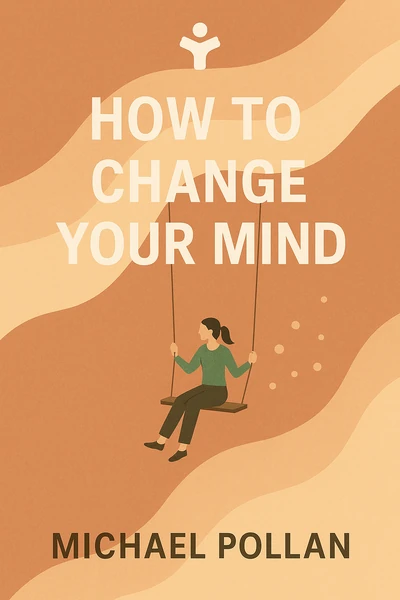
How to Change Your Mind: What the New Science of Psychedelics Teaches Us About Consciousness, Dying, Addiction, Depression, and Transcendence
Ready to Take Action?
Get the Mentorist app and turn insights like these into daily habits.