Rebuild your brain’s focus by practicing single-task reading
Printed reading is more than nostalgia—it’s a workout for your attention network. Neuroimaging studies show that reading text on paper activates prefrontal cortex regions responsible for deep comprehension and memory encoding, whereas digital skimming engages scattered neural circuits. In a landmark experiment, participants who read prose in print formed more durable long-term memories than those who read an identical passage online.
Imagine yourself flipping paper pages, the earthy scent of fresh print filling your nose, your eyes scanning well-formatted paragraphs. No pop-up banners, no ‘next article’ prompts. Just you and the text. Each time your mind drifts—to lunch plans or a past argument—you feel the tug of dopamine craving your phone, but instead, you gently guide your attention back to the story. With every return, the prefrontal muscles strengthen, and the world’s noise fades.
Over just two weeks, regular print reading has been linked to improved working memory, higher empathy scores, and deeper creative insights in multiple cognitive psychology studies. Those who cultivate single-task reading in print report greater sustained focus, fewer headaches, and even higher satisfaction in other tasks.
It’s simple and science-backed: pick up a book, ditch the digital, and do one thing at a time. Your brain’s architecture is waiting for the workout.
Choose a printed article or book and block out fifteen minutes when you won’t touch your phone. Place your device in another room, then immerse yourself in the text. If your mind wanders, gently guide your focus back. After reading, jot down two insights and compare the calm intensity of print to your usual phone time. Give it a try this afternoon.
What You'll Achieve
You’ll rebuild sustained focus and deepen comprehension by training the prefrontal cortex through single-task print reading. Externally, you’ll replace scattered digital snacking with meaningful reading time.
Schedule undistracted reading blocks
Pick one printed article
Choose a physical book, magazine, or newspaper—no tablets or e-readers—that interests you and set it beside your phone charger.
Block a 15-minute slot
Mark a time in your calendar for uninterrupted reading. Turn off your phone or leave it in another room.
Track immersion levels
Every 5 minutes, mentally note how easily you are focusing. If your mind wanders, gently bring it back to the text.
Journal your insights
After reading, write down two takeaways and a quick note on how this session compared to your usual phone time.
Reflection Questions
- What surprised me about reading on paper vs. screen?
- When did my mind wander most, and how did I refocus?
- What insights emerged that wouldn’t from scrolling?
- How can I schedule more print-based focus blocks?
Personalization Tips
- Professionals can swap a five-minute email check for a chapter in a trade journal.
- Parents can read a children’s classic before bed instead of scrolling their feed.
- Hobbyists can read a craft magazine during coffee breaks rather than doom-scrolling the news.
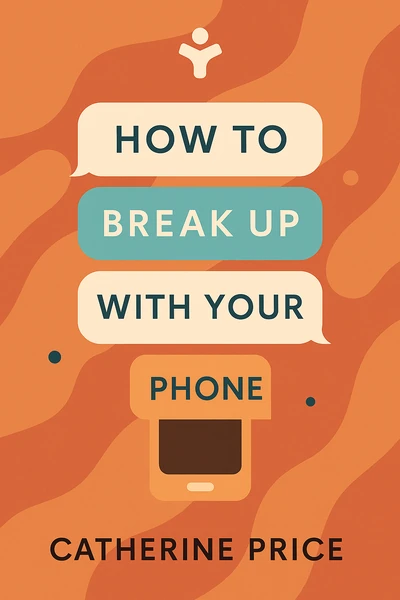
How to Break Up with Your Phone: The 30-Day Plan to Take Back Your Life
Ready to Take Action?
Get the Mentorist app and turn insights like these into daily habits.