Use mindfulness training to outsmart your phone cravings
You’re alone at a red light, bored, and your thumb twitches toward your pocket. But instead of fishing out your phone, you pause. You feel a flutter in your chest—an invitation to reach for quick distraction. You take a deep breath, labeling the sensation ‘boredom’ without self-judgment. You stay with it. Thirty seconds later, the light changes. You walk on without craving that digital hit.
This is not new age fluff. Neuroscientists explain that simply paying attention to an urge—without acting on it—disrupts the craving circuitry in your brain. You literally train your mind to tolerate discomfort. Over repeated practice, that wave of craving no longer crashes as high.
Mindfulness meditation labs at universities have the same finding: students who learn to observe their impulses experience fewer distractions and better focus. Smoking cessation trials show double the quit rate when mindfulness is added to standard therapy. The recipe is simple—stop, label, breathe, watch—and watch your automatic reactions lose their power.
You don’t need a quiet retreat or a guru. You can do this at a stoplight, in a virtual meeting, or in the shower. In each moment of pausing, you reclaim your mind from habit’s grasp. That’s the power of mindful presence.
When you feel the tug to check your phone, pause and take three deliberate breaths, labeling your sensation—‘anxiety,’ ‘restlessness,’ ‘curiosity’—without judging yourself. Then observe how the urge naturally ebbs, like a wave, instead of diving into distraction. Keep a brief note afterward on what you learned, and watch your cravings melt away. Try it next time your phone buzzes.
What You'll Achieve
You’ll develop the capacity to observe and ride out phone cravings, strengthening self-regulation and reducing compulsive checking. Externally, you’ll regain control of your attention and feel less reactive.
Ride out urges instead of reacting
Spot your phone urges
Pause whenever you feel the itch to reach for your phone. Notice the sensations in your body and the thoughts in your mind.
Breathe into discomfort
Take three slow, deep breaths while labeling the urge—‘anxiety,’ ‘boredom,’ ‘curiosity’—without judgment or resistance.
Observe without acting
Allow the feeling to pass on its own. Notice how the intensity rises and falls like a wave rather than giving in to it.
Reflect on the outcome
After each episode, journal for two minutes on what you learned. Over time, you’ll see your cravings weaken as you practice non-reactivity.
Reflection Questions
- What sensations accompany my strongest phone urges?
- What labels help me describe those feelings?
- How long does each urge last when I don’t react?
- When was the last time an urge passed without me checking my phone?
Personalization Tips
- During study breaks, notice the urge to text and instead jot down one thing you learned today.
- When you hear your phone vibrate at night, pause and breathe three times before unlocking it.
- At social gatherings, notice the temptation to check for notifications and instead focus on a friend’s story.
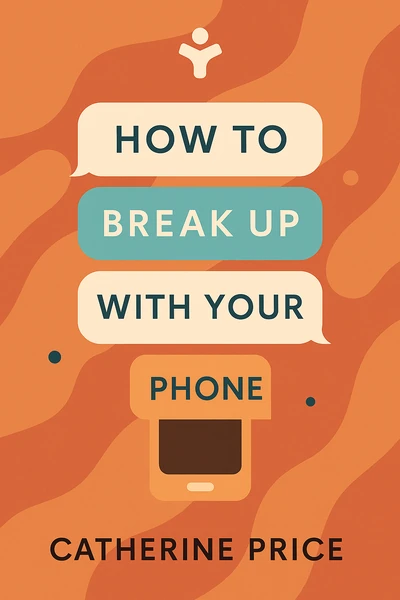
How to Break Up with Your Phone: The 30-Day Plan to Take Back Your Life
Ready to Take Action?
Get the Mentorist app and turn insights like these into daily habits.