Rewire your habits by mastering the cue-routine-reward loop
You’re standing in the grocery checkout line, mind wandering, and before you know it, your thumb is swiping your social feed. That’s the cue—boring wait. The routine—scroll and scroll. And the reward—a quick hit of entertainment or distraction. Now imagine shifting that pattern. When you spot the cue, you instead pull out a notepad and jot down three grateful moments from your day. Suddenly that line feels like five calm minutes. And your brain gets the same reward: relief from boredom. How cool is that?
I’ve coached dozens of people through this same exercise: map the cue, routine, and reward, then brainstorm alternatives. Some swap phone checks for doodling, others for texting a friend real-time, and a few even started a micro-meditation practice. Because the reward you’re chasing—connection, novelty, or calm—can be delivered by other behaviors that don’t hijack your attention.
It’s not magic; it’s behavioural science. The more you practice the new routine, the more your brain rewires itself until you don’t even think about it—you just do it. And each success is a mini victory that powers you to tackle the next habit.
Remember, it’s about designing small, meaningful replacements until healthy patterns become your default. Soon you’ll flex your cue-routine-reward mastery wherever distraction crops up. That’s habit power.
You start by mapping one habit loop: note what triggers your phone scroll, what you do, and how you feel. Then brainstorm two alternative activities—maybe doodling or five deep breaths—and run quick tests in the same cue scenarios. Track what works in a habit-tracker or simple list, celebrate each small win, and swap out the old routine when the cue appears. Give it a try today.
What You'll Achieve
You’ll dismantle compulsive phone habits by consciously replacing routines, increasing self-control and satisfaction. Externally, you’ll spend less time scrolling and more time on meaningful alternatives.
Replace bad habits with better loops
Map your habit loops
Choose one phone habit you want to change—endless scrolling, midnight texts, etc. Write down the cue (trigger), the routine (behavior), and the reward (feeling) that follow.
Experiment with alternative routines
For the same cue, plan two or three alternative responses. If boredom triggers scrolling, try brewing tea or writing a sentence in a journal instead.
Track your progress
Use a simple spreadsheet or habit-tracker app to record each time you face the cue and execute the new routine. Celebrate successes.
Refine until it sticks
After a week, review which alternative routines felt satisfying. Keep the ones that reliably deliver the reward you crave (e.g., calm, connection, creativity).
Reflection Questions
- What reward am I really after when I pick up my phone?
- What simple alternative could deliver that reward without distraction?
- How can I track small wins to stay motivated?
- What cue-routine loop will I change first?
Personalization Tips
- If stress at work cues social media detours, replace your scroll with five deep breaths.
- When you reach for your phone at night, switch on a reading lamp and crack open a novel.
- If waiting in line leads to email checking, keep a paper to-do list in your pocket instead.
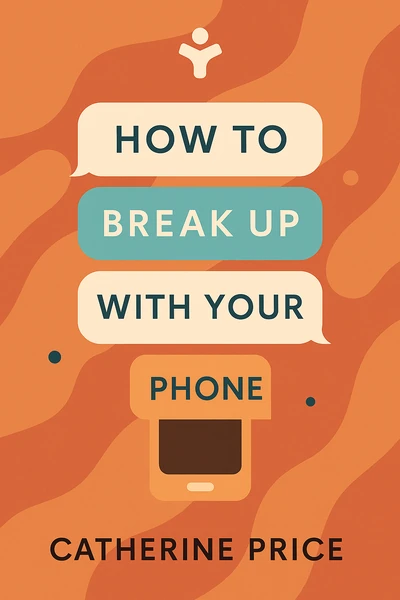
How to Break Up with Your Phone: The 30-Day Plan to Take Back Your Life
Ready to Take Action?
Get the Mentorist app and turn insights like these into daily habits.