Unlock the secret dopamine loop that apps exploit to keep you hooked
Imagine your favorite social feed as a slot machine in your pocket. It flashes bright colors, dings with every like, and promises the thrill of something new—even if it’s just another cat video or breaking news alert. Every time you swipe, your brain releases dopamine, training itself to reach for your phone on autopilot. It’s not about the content; it’s about that unpredictable hit, just like rats pressing a lever for food.
You might think you’re alone in this, but millions are conditioned the same way. Push notifications become Pavlov’s bell. Before you realize it, you’ve spent another twenty minutes scrolling in a meeting or at a stoplight. And rationally, you know it makes you feel anxious and scattered. Yet the loop keeps hoisting you back.
The science behind intermittent reinforcement shows that unpredictable rewards are far more addictive than consistent ones. Slot machines exploit this, and so do apps—deliberately engineered by teams of designers to keep you engaged for a few more seconds, minutes, or hours.
It’s a bit terrifying, but once you understand the mechanics of your brain’s reward system, you gain the power to fight back. By introducing friction—speed bumps that break the loop—you can train your brain to seek genuine rewards instead of algorithmic ones.
You’ll create your own speed bumps by first listing two or three apps that hijack your attention. Then, dive into your settings app and silence their notifications—no more random dings. Next, uninstall or bury them deep in a folder so launching becomes a conscious decision. Finally, add a one-second delay before they open, giving your mind just enough pause to ask, “Do I really want this?” Give it a try tonight.
What You'll Achieve
You’ll disrupt the automatic dopamine loops that drive compulsive phone checks, reclaiming focus and reducing anxiety. Externally, you’ll spend less time on distracting apps and gain more control over your daily routine.
Add speed bumps before dopamine hits
Identify your high-drag apps
Make a list of the two or three apps you open most often. These are your biggest dopamine traps—social feeds, games, or endless news streams.
Turn off their notifications
Disable all lock-screen alerts, badges, and sounds for these apps so you no longer receive random dopamine pings.
Uninstall or hide them strategically
Remove the app entirely or tuck it into a distant folder, so opening it requires deliberate effort—creating the friction needed to interrupt your impulses.
Add a one-second delay
Use your phone’s accessibility settings or a third-party app to introduce a brief delay before these apps launch, giving you time to rethink the impulse to open them.
Reflection Questions
- What are the three apps you find yourself opening without thought?
- How do you feel immediately after checking those apps?
- What one small barrier could you add to slow you down next time?
- When was the last time you felt genuinely rewarded without looking at your phone?
Personalization Tips
- At work, hide your messaging app in a folder so you focus on reports instead of scrolling during downtime.
- When racing through a fitness app, uninstall it and rely on a smartwatch’s timer to avoid chasing step count.
- For writers, redirect your urge to check editing software by keeping a printed draft at your desk.
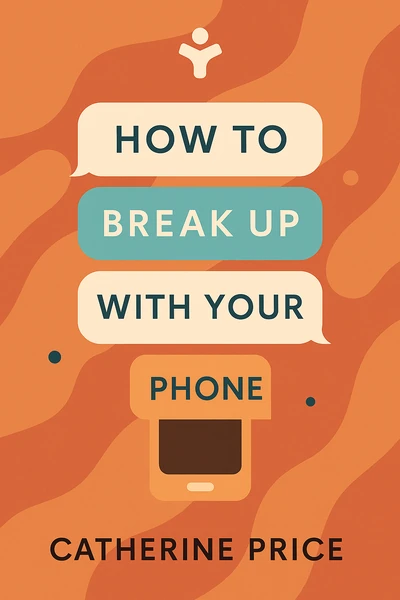
How to Break Up with Your Phone: The 30-Day Plan to Take Back Your Life
Ready to Take Action?
Get the Mentorist app and turn insights like these into daily habits.