Lower blood pressure with food choices that act like gentle medicine
High blood pressure creeps up quietly, often without symptoms, yet it strains the heart, stiffens arteries, and raises stroke risk. Medications help many people, but food can be a strong partner when you focus on the levers that move blood pressure physiology in your favor. Four of the most reliable are cutting sodium from processed foods, adding ground flaxseed, brewing hibiscus tea, and eating nitrate‑rich greens or beets.
Sodium holds onto water, increasing blood volume and pressure. Most of it doesn’t come from a salt shaker but from packaged and restaurant foods. When you swap in simple staples—beans, intact grains, vegetables, and fruit—and compare labels, your daily sodium load falls and your arteries sigh in relief. Meanwhile, ground flaxseed brings lignans and alpha‑linolenic acid that can relax vessels and lower inflammation. It’s a tiny habit with an outsized effect.
Hibiscus tea, tart and deep red, is more than a cozy drink. Regular cups can nudge systolic numbers down by several points, a meaningful shift at the population level. Nitrate‑rich greens like arugula, spinach, and beetroot convert to nitric oxide, which tells arterial muscle to relax. People often feel the change as a subtle warmth in their face or hands after a beet salad, a quiet reminder that their circulation is opening up.
The science is straightforward. Less sodium prevents volume overload. Flaxseed and hibiscus influence endothelial function and vascular tone. Dietary nitrates boost nitric oxide in a safe, food‑based way that’s difficult to achieve with supplements. Layered together, these foods can rival medication add‑ons, often without side effects. You don’t need perfection. You need consistency and a few smart defaults that you can enjoy every day.
Start by switching from packaged to simple ingredients and compare labels so each serving has fewer milligrams of sodium than calories. Stir two tablespoons of ground flaxseed into your morning oats or smoothie and make that a daily anchor. Brew one to two strong cups of hibiscus tea with meals, then swish with water to protect your teeth. Add a handful of arugula or spinach or a half‑cup of beet salad most days to boost nitric oxide. These small, repeatable moves stack together, and your cuff will show it within weeks—set a reminder and check at the same time each day.
What You'll Achieve
Experience calmer readings on a home blood‑pressure cuff, a feeling of lighter circulation, and confidence that meals are actively protecting your heart and brain.
Stack four BP-lowering levers now
Trim hidden sodium at the source.
Choose minimally processed foods and compare labels, aiming for fewer milligrams of sodium than calories per serving. Restaurant meals are sodium bombs, so cook extra at home and bring leftovers.
Add 2 tablespoons ground flaxseed daily.
Stir into oats, smoothies, or yogurt. Flax can rival some medications for systolic and diastolic reductions when used consistently.
Drink hibiscus tea with meals.
Brew 1–2 strong cups daily. Rinse your mouth with water afterward to protect enamel. Many people see a 5–7 point systolic drop.
Eat nitrate-rich greens most days.
Include arugula, spinach, or beet salad to boost nitric oxide for flexible arteries. A half-cup of beet juice or a big handful of greens works.
Reflection Questions
- Which processed foods in your week hide the most sodium?
- Where can you place ground flax so you never forget it?
- What time of day is easiest to enjoy hibiscus tea?
- Which nitrate‑rich green will you buy every grocery trip?
Personalization Tips
- • Desk job: Keep a small jar of ground flax in your drawer for oats.
- • Parenting: Make a family ‘red tea’ ritual with kids choosing the mugs.
- • Athletics: Use a pre‑workout beet salad to support circulation.
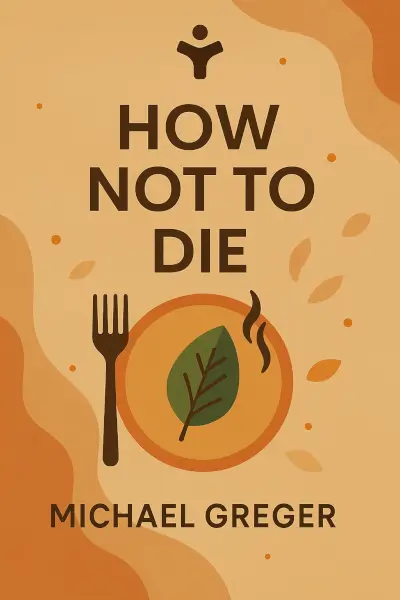
How Not to Die: Daily Dozen
Ready to Take Action?
Get the Mentorist app and turn insights like these into daily habits.