Unmask the hidden wounds that fuel destructive fights
You’re halfway through a tense talk when your partner’s offhand remark cuts right through you, and your heart skips a beat. Suddenly your mind’s racing, and you’re bracing for impact. What just happened? You got stung by a raw spot—an old wound hiding beneath your anger or yourself.
Perhaps it’s the fear of being left out in the cold, like that time you were the only child unpicked for the team. Or the shame of being called ‘useless’ by a loved one. Your amygdala signals danger; your body freezes or lashes out. That’s an attachment panic—your brain warning you that the person who mattered most might abandon you.
Once you slow down, you can tune into this real grief beneath the surface reaction. Naming the fear—‘I’m afraid of being unimportant’—gives you a way out of mindless blaming or shutting down. You can share the real wound with your partner: ‘When I hear that tone, I feel small and abandoned.’ This honesty diffuses the old panic and makes space for authentic closeness.
Surprisingly, partners often want to hear about these hidden raw spots. It helps them respond warmly instead of getting defensive. Healing happens when you stop defending your anger and start explaining your needs.
The next time you feel hit by something your partner did, pause and ask yourself what deeper fear or hurt fired up inside you. Name it aloud and share it: ‘I got scared you didn’t care about me.’ Watch how your partner reaches for you differently as you speak your truth. Try it tonight.
What You'll Achieve
You’ll transform reactive anger or withdrawal into vulnerable honesty, reducing escalations. Externally, conversations will become more collaborative and trusting.
Explore your emotional raw spots
Recall your biggest relationship hurt
Take five minutes to remember a moment when you felt deeply abandoned or devalued by someone important. Write a brief description, focusing on the event’s impact.
Pinpoint the panic cue
What exactly triggered your alarm—was it a look, a comment, or silence? Underline that trigger and note the first gut reaction you felt.
Name your deeper feeling
Beneath the anger or numbness, what vulnerable emotion bubbled up—fear, shame, sadness? Label it and rate its intensity on a 1–10 scale.
Link to past experience
Write one line about where you last experienced a similar hurt. Connecting past and present teaches you why certain moments still sting.
Reflection Questions
- What recurring cue still makes you feel small or helpless?
- How easy or hard is it to admit your deeper fear to your partner?
- What past event does that hurt echo?
- What if you shared that vulnerable feeling tonight?
Personalization Tips
- A teacher feels raw whenever a student rolls their eyes, recalling a critical parent from childhood.
- A manager tenses up when a colleague questions her plan, echoing old failures at a past job.
- A parent panics when their child shows disinterest, reliving the loss of a close childhood friendship.
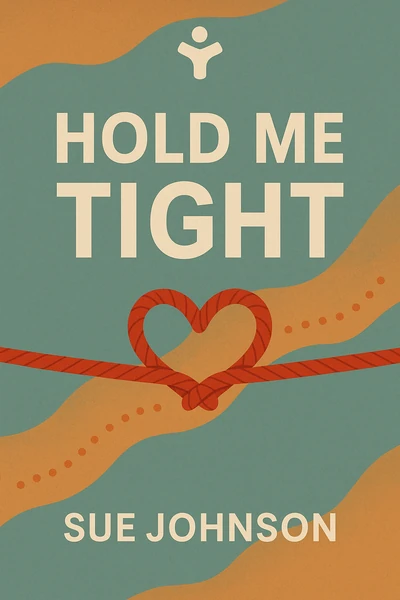
Hold Me Tight: Seven Conversations for a Lifetime of Love
Ready to Take Action?
Get the Mentorist app and turn insights like these into daily habits.