When “Fuckit” Hits, Use Relapse as a Research Lab
Relapse is inevitable when you’re changing habits—think of it as the brain’s old neural pathways pushing back. But instead of sinking into guilt, you can turn each slip-up into an experiment. In science, a failed trial isn’t wasted—it’s data. The trick is to observe your own behavior like a researcher.
One evening, you scarfed an entire bag of chips. Instead of declaring yourself a failure, you pause, scribble a note on your phone: “7:45 p.m., stress about tomorrow’s meeting.” You ask why. Because you felt unprepared. Why were you unprepared? You skipped your prep time. Why did you skip it? You were too tired after work.
Armed with that insight, you write down two tweaks: move your prep to lunchtime, or take a quick energy boost walk before dinner. The next stress surge, you test the walk. You feel different—less anxious, less joint craving.
By treating each relapse like a mini research lab, you learn exactly what tweaks work for your unique brain. Over time, old triggers lose their power, and you’re no longer a victim of the Fuckits.
Every time you slip, pause and note the context immediately—what you felt, where you were, what you thought. Ask “why” three times to unearth the root cause, then brainstorm two realistic fixes. The next time that trigger arises, test one tweak and see what happens. This turns helpless relapse into purposeful research, arming you with insights instead of guilt. Run your first experiment tonight.
What You'll Achieve
You’ll gain emotional resilience by reframing setbacks as opportunities, and develop precise strategies to prevent future slips.
Turn slip-ups into data points
Note the exact moment
Whenever you abandon a habit, jot down what you felt right before. Stress, boredom or an event—capture it immediately.
Ask “why” three times
Dig deeper by repeatedly asking why you chose to quit. Peel back layers until you reach a root cause, not just the surface excuse.
Brainstorm two fixes
For each root cause, list two small tweaks—like moving workout gear out of sight or scheduling a walk with a friend.
Test one tweak immediately
Pick one change and implement it the next time that trigger appears. See how it alters your habitual response.
Reflection Questions
- What was my last ‘Fuckit’ moment and what exactly triggered it?
- If I ask “why” three times, what deeper need emerges?
- What small tweak could interrupt the next trigger?
- How can I structure an experiment to test that tweak?
- What will I do differently after learning from this research?
Personalization Tips
- A grad student tracks every missed study session to pinpoint 7 p.m. exhaustion, then tests a 5 p.m. break instead.
- A lawyer misses workouts, identifies the 6 p.m. hunger slump, and experiments with a protein snack at 4 p.m.
- A parent notes stress-eating whenever bills arrive, then tests one hour of meditation before opening mail.
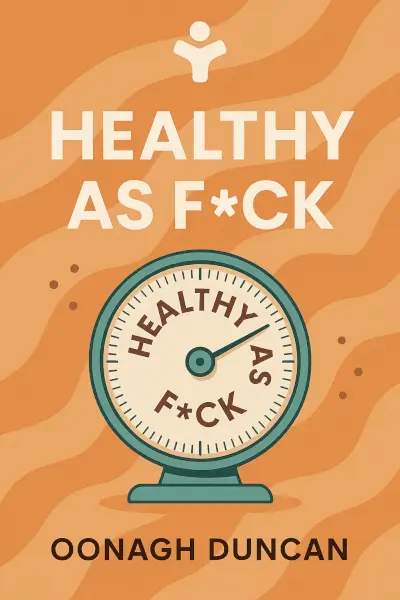
Healthy as F*ck: The Habits You Need to Get Lean, Stay Healthy, and Kick Ass at Life
Ready to Take Action?
Get the Mentorist app and turn insights like these into daily habits.