Build a tiny, daily meditation habit that actually survives busy seasons
You’ve tried meditation before, usually when things got rough. It helped, then drifted. This time you decide to make it too small to fail. Two minutes, after brushing your teeth, sitting on the same corner of the couch. Timer on, phone face down. Breath, note “thinking,” return. When the bell rings, you stop, even if part of you wants more.
The streak grows. Five days becomes eight, then twelve. You pair it with a small reward—a cup of good tea or a short playlist. The session itself varies. Some days feel steady, others are a parade of planning. But you remember the rule: don’t chase calm, chase reps of returning. On a chaotic Wednesday, you’re grateful for the two minutes you already banked.
By week three, you experiment with five minutes on weekends. You miss a day, then do two minutes the next morning to keep the thread alive. Your calendar fills with checkmarks. The practice begins to move off the cushion—during a tough email, you notice your jaw, take one breath, and type a cleaner sentence. The habit hasn’t made life perfect, but it’s made you 10% steadier.
Behavior science favors tiny, anchored, and rewarding starts. Two minutes lowers friction, an existing daily cue automates repetition, and a simple script reduces decision fatigue. Logging a streak and pairing a treat recruits dopamine to reinforce the loop. When life gets busy, the small version survives, keeping the identity of “I’m someone who practices” intact. That identity is the real engine for growth.
Pick a two‑minute window tied to a stable daily cue, like after tooth‑brushing or when you park the car. Sit in the same spot, set a timer, and run a simple script—breathe, note “thinking,” return—then stop when the bell rings. Log a checkmark and pair it with a small reward so it feels good to repeat. On weekends, consider five minutes, but keep the two‑minute version as your safety net. Try it for seven days and watch your streak grow.
What You'll Achieve
Internally, establish a calm baseline and a sense of agency. Externally, create a repeatable routine that survives busy periods and spills into cleaner emails and conversations.
Shrink it, anchor it, enjoy it
Start at two minutes
Tiny starts bypass perfectionism. Use a timer and stop when it rings, even if you’re in a groove. Consistency beats duration early.
Anchor to a stable cue
Attach practice to a daily event—after brushing teeth or parking your car. Same cue, same spot, same time increases automaticity.
Use a simple script
Breathe, note “thinking,” return. That’s it. Don’t chase calm; chase reps of returning. Log a checkmark on a calendar.
Make it rewarding
Pair practice with a small treat—good tea, a walk, or checking off a streak counter. Enjoyment wires the habit faster.
Reflection Questions
- What daily cue can you reliably attach your practice to?
- What tiny reward will make it enjoyable enough to repeat?
- How will you handle a missed day without losing momentum?
- When will you experiment with a slightly longer session?
Personalization Tips
- Morning person: Sit for two minutes right after you brush your teeth, then sip your favorite coffee as a reward.
- Night owl: Pause in the parked car before heading inside for two minutes, then play a favorite song on the walk to the door.
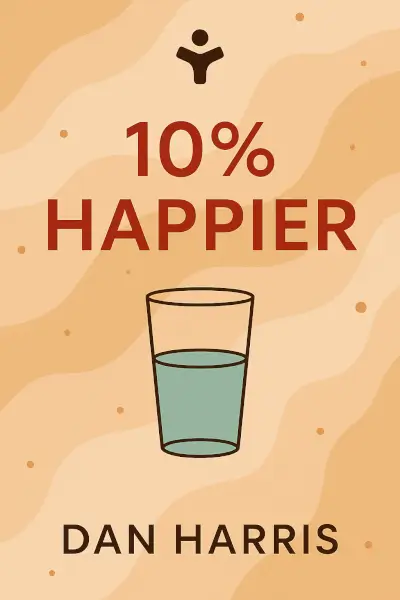
10% Happier: How I Tamed the Voice in My Head, Reduced Stress Without Losing My Edge, and Found Self-Help That Actually Works
Ready to Take Action?
Get the Mentorist app and turn insights like these into daily habits.