Why New Stuff Feels Dull and Drives You Desperate
Imagine scouring an online store for just the right headphones. You order the sleekest model you’ve ever seen—and for the first hour after they arrive, you can’t stop smiling. By day two, you barely notice them in your bag. This is “hedonic adaptation,” the brain’s way of tuning out familiar sensations.
Seminal research shows our happiness spikes when we first obtain something new but then returns to baseline—often within days. We chase the next novelty, unaware that our rungs on the “price-happiness” ladder get shorter and shorter. A $100 purchase sparks as much joy as a $1,000 purchase down the line.
That’s why smart companies flood us with constant upgrades and new features. They know novelty hooks dopamine circuits, stirring momentary thrills. The catch? Each thrill fades faster, leaving you craving the next fix. Without awareness, you’ll feel trapped in a treadmill of consumption.
Understanding hedonic adaptation lets you reclaim your calm. By intentionally creating variance—through delayed gratification, rotating possessions, or mini-experiments—you can slow the adaptation cycle. Each familiar object regains its shine, and your sense of satisfaction deepens.
When desire hits, wait a week before buying. Schedule a monthly rotation of treasured items and experiment with small swaps—say, writing on paper instead of your tablet for a day. These simple tactics interrupt habituation, so objects remain fresh and satisfying. Give it a try this week.
What You'll Achieve
You’ll prevent boredom and impulsive spending by using the variance principle to maintain satisfaction and extend the joy derived from each possession.
Interrupt the Adaptation by Varying Stimuli
Delay impulse buys by one week
When you spot something you want, wait seven days before purchasing. That interval weakens the urge driven by novelty and reveals if you truly need it.
Rotate your possessions monthly
Choose a small set of items—clothes, books, gadgets—and swap them out every month. The periodic change rekindles appreciation and delays boredom.
Create mini-experiments
Set a one-day challenge, like using only a paper notebook instead of your tablet. The fleeting variance sharpens your senses and breaks the monotony.
Reflection Questions
- Which impulse buy could you delay this week?
- What item on your shelf could benefit from being rotated out?
- Which mini-experiment could spark fresh appreciation tomorrow?
Personalization Tips
- A gamer holds off on buying a new title until a week after release to curb impulse spending.
- A home cook rotates two spice blends each month to rediscover forgotten flavors.
- A photographer alternates lenses every few weeks to keep creative vision fresh.
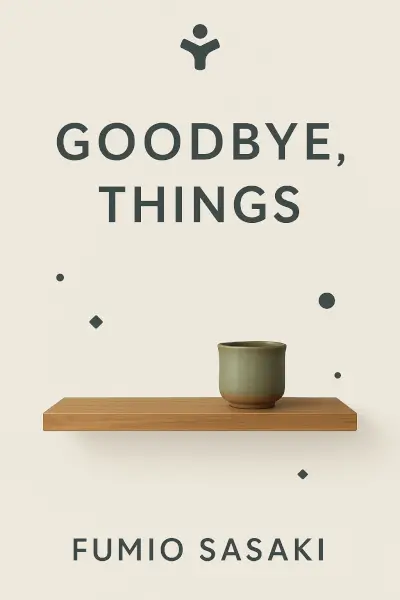
Goodbye, Things: The New Japanese Minimalism
Ready to Take Action?
Get the Mentorist app and turn insights like these into daily habits.