Spot Your Invisible “To-Do” List and Let It Go
You open your laptop and feel a slight pulse of stress—a nagging sense there’s something you forgot. It isn’t an email. It’s a pile of physical reminders on your desk: unread bills, a mug you meant to wash, a gift card that’s half-used. Each demands attention, whispering demands that crowd your thoughts. You sigh.
Imagine grabbing a blank sheet and jotting down each reminder: “laundry,” “bank statements,” “phone charger search.” Laying them out removes their stealthy grip on your mind. You see ten items instead of hundreds of vague anxieties. Grouping them—“respond,” “clean,” “find”—reveals what’s urgent. Suddenly, the list looks actionable, not endless.
You knock out the simplest: you toss that empty mug into the sink and rinse it. A small surge of accomplishment spreads through you. That single act begins to dissolve the tight knot of unease you’ve worn all day.
Psychologists call this the “Zeigarnik effect”: unfinished tasks loom largest in our minds. Translating invisible mental loads into concrete lists shrinks that shadow. By clearing one small chore immediately, you chip away at the rest, regaining calm focus and confidence.
Start by writing down every stray task that nags at you—the dirty dishes, the unread message, the upcoming duty. Circle the easiest item and do it at once. Celebrate that mini-victory as proof that you can clear menus and regain control. You’ll feel the weight lifting and a fresh sense of clarity taking hold.
What You'll Achieve
You’ll dissolve hidden stress by externalizing mental chores, regain focus, and steadily chip away at your backlog so your mind stays clear and energized.
Map the Clutter in Your Mind
List physical reminders that nag you
On a sticky note, write down every object that sends you a silent message—laundry, bills, unopened letters. Seeing them on paper demystifies the mental load.
Group items into categories
Sort your list into “cleanup,” “repair,” and “respond.” Categorizing helps you see which action to take first and makes the pile manageable.
Knock out the easiest task now
Pick the quickest item—sending back a library book or washing a single dish—and do it immediately. That single act starts to erase the backlog in your head.
Reflection Questions
- Which silent reminders keep drifting back into your mind?
- What’s the single quickest task you can finish right now?
- How often can you repeat this mapping routine each week?
Personalization Tips
- In a home office, jot down the stack of paper forms you’ve been avoiding, then scan one right away.
- As a parent, list your kids’ half-finished craft supplies, then spend two minutes sorting them into keep-or-toss piles.
- If you run a side business, note the last email threads you need to reply to, then pick and clear one conversation.
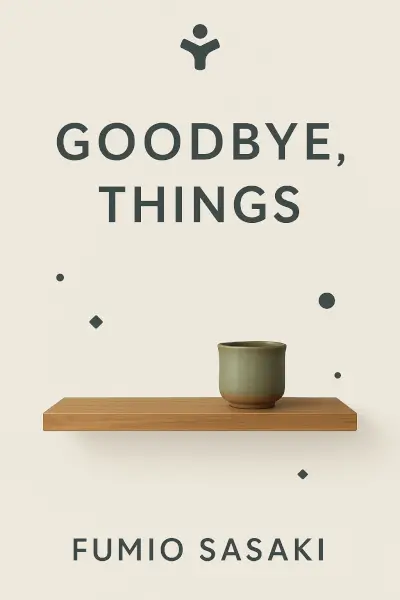
Goodbye, Things: The New Japanese Minimalism
Ready to Take Action?
Get the Mentorist app and turn insights like these into daily habits.