Transform conflict into growth with principled conversations
When Mark became sales director of a mid-sized firm, he loved the energy and ambition of his reps—until one star performer abruptly missed three weekly targets in a row. Team morale dipped and rumors swirled. Normally, Mark would call out the rep in a team huddle—armchair leadership at its worst. Instead, he asked for a private sit-down.
He began by sharing what he’d observed: “I saw your numbers fall by 30% last week.” No judgment, just facts. He paused, crossed his arms in a neutral stance, and asked, “What’s going on from your point of view?” The rep admitted burnout from juggling two major accounts and home stress with a newborn.
Mark asked, “How can I help you get back on track?” Together they agreed on shorter account patches, a revised call schedule, and a follow-up in a week. They documented every action item in a shared email. Over the next two weeks, the rep’s numbers rebounded and the entire sales floor noticed Mark’s calm, respectful approach.
Psychologists say that constructive feedback delivered in a safe environment activates the prefrontal cortex—our brain’s decision-making center—rather than the amygdala, which triggers stress and defensiveness. By following a principled structure—fact first, then inquiry, then solution—you can turn conflict into connection and boost performance across the board.
Next time someone scrambles at work, request a private meeting and calmly describe what you observed. Then ask for their viewpoint—listen without interrupting. Co-design a realistic plan of action with clear deadlines and follow-up, and send a brief note summarizing next steps. This structured, respectful approach turns tension into teamwork and sets everyone up to win. Try it within the next 48 hours.
What You'll Achieve
Equip yourself to resolve tensions and coach challenging team members through respectful, effective dialogue. Internally, you’ll strengthen your emotional resilience and communication skills. Externally, you’ll rebuild trust, reduce friction, and boost team productivity.
Use structured feedback meetings every time
Schedule a private sit-down
Arrange a one-on-one meeting in a neutral space—no corners or crowded desks. This signals respect and invites open dialogue.
Describe specific behaviors
Begin by factually stating what you observed, such as “I noticed the report was delayed two days,” avoiding labels like “lazy” or “irresponsible.”
Ask for their perspective
Invite their input: “Can you help me understand what happened?” This shifts blame away and opens collaborative problem-solving.
Agree on next steps
Conclude by defining clear corrective actions, deadlines, and a follow-up date. Document these in a shared note to ensure accountability.
Reflection Questions
- What recent team issue could benefit from a one-on-one conversation?
- How can you describe behaviors factually without casting blame?
- What support can you offer to ensure the other person follows through?
Personalization Tips
- A retail manager privately discusses a cashier’s repeated till errors, then co-creates a checklist to prevent future mistakes.
- A software team lead meets an engineer late on delivery, asks for context, and outlines an updated sprint plan with joint support.
- A teacher and student discuss missed assignments, leading to a personalized study schedule co-signed by both in writing.
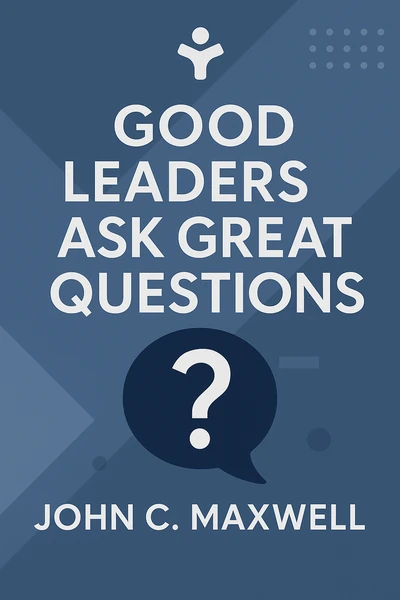
Good Leaders Ask Great Questions: Your Foundation for Successful Leadership
Ready to Take Action?
Get the Mentorist app and turn insights like these into daily habits.