Processed foods are rigged against your self-control
When marketing teams want to hijack consumer cravings, they analyze the ‘bliss point’—the precise sugar-salt-fat ratio that triggers unstoppable hunger. In one test kitchen, scientists developed a potato chip so delicious that taste-tests ended in record sales, even as volunteers confessed they felt powerless to stop eating. At a corporate campus snack bar, turnover spiked as employees became enthralled by trays of golden fries and sugary muffins.
A director in that company’s wellness program, Kristin, saw employees dozing in meetings and struggling with mid-day slumps. She secured a small budget to reconfigure the pantry: processed snack packets vanished, replaced by bulk tins of nuts and frozen berry packs. She trained the team to spot hidden sugars—high-fructose corn syrup masquerading on labels of ‘healthy’ granola bars—and encouraged spontaneous five-minute walking groups. Within a month, energy ticket sales at the bean-bag break room dropped by 60 percent,and productivity surveys rose accordingly.
Behavioral science explains why: processed foods deliver dopamine hits that outpace natural pleasure. They override the brain’s inhibitory control circuits, making self-regulation virtually impossible. By reshaping the environment—removing the triggers and offering healthier but still satisfying options—Kristin gave her colleagues back their agency.
This case shows the power of aligning design with human psychology. When you defuse the engineered foods rigged to exploit cravings,you break free of the sales pitch and reclaim your self-control.
Picture your snack drawer full of bright wrappers designed to call your name every day.Maybe it’s time for a shake-up: move those bags to a high cabinet you barely see,and stock your workspace with raw nuts or slices of bell pepper instead. When the clock strikes your usual sugar-crash hour, take a quick walk or sip herbal tea—any motion or ritual that interrupts the dopamine loop of snacks. Celebrate each win with something small;perhaps a funny podcast or five minutes of fresh-air breathing. Over time,you’ll notice your cravings fade and your focus sharpen—give it a try tomorrow at 3 p.m.
What You'll Achieve
Internally,you’ll feel more in control of your impulses and less at the mercy of cravings. Externally,you’ll snack less on empty calories, boost sustained energy, and see improvements in focus and productivity.
Defuse your cravings by rewiring your environment
Purge hidden culprits
Read labels for hydrogenated oils, 1,400 names for sugar, and emulsifiers. Toss anything with ‘partially hydrogenated’ or long unpronounceable ingredients.
Rearrange your pantry
Place nutrient-dense staples—nuts, plain yogurt, fruits—at eye level. Hide or remove processed snacks so they’re out of mind, out of reach.
Plan ‘trigger’ times
Identify your daily weak moments—afternoon snack attack or late-night munchies. Schedule a healthier ritual then, like herbal tea or a short walk.
Reward progress
Track each sugar-free or seed-oil-free day with a small non-food treat—an episode of your favorite show or a new book chapter.
Reflection Questions
- What snacks have you eaten mindlessly this week, and how did they make you feel?
- Which environmental change would most reduce your temptation at home or work?
- What new, healthier ritual can you try tomorrow when you usually reach for something processed?
Personalization Tips
- Chef: challenge yourself to cook at home three nights a week without using processed sauces
- Office worker: keep a jar of baby carrots at your desk instead of vending-machine treats
- Parent: replace dessert with a family dance party whenever kids ask for sweets
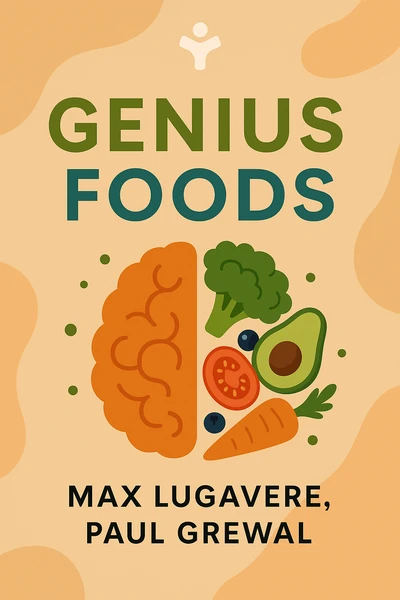
Genius Foods: Become Smarter, Happier, and More Productive While Protecting Your Brain for Life
Ready to Take Action?
Get the Mentorist app and turn insights like these into daily habits.