Your brain can starve even when you’re surrounded by food
Imagine a world-class athlete who never trains. They’d sit at the starting line, powerful muscle built but never called upon, until finally their engine sputters and stalls. The same goes for your metabolism. When you constantly flood your bloodstream with glucose from starchy breakfast cereals,wheat bread,and juice, your pancreas must crank out insulin in excess.Over years, your cells quiet the insulin receptors to protect themselves—siloing calories into fat and leaving your brain craving fuel yet unable to access its energy stores.
Scientists quantify this glucose-insulin tug-of-war using the HOMA-IR score. In clinics it’s become clear that even nondiabetic patients with “normal” blood sugar but elevated insulin levels show reduced cognitive scores and faster mental decline. Harvard and MIT researchers now view chronically elevated insulin as a driver not only of fatty liver and diabetes but of accelerated aging in the brain.
A landmark study out of Berlin put subjects on high-carb and low-carb diets alternately,measuring the insulin area-under-the-curve. The results were striking: high-carb days suppressed fat burning and left the brain dependent on sugar, while carbohydrate restriction restored the ability to burn fat for fuel—a cleaner, more stable source of energy that also raised BDNF and improved synaptic plasticity.
The take-home principle? Your brain isn’t just hungry for calories—it needs flexibility. By incorporating regular fasting and timing carbohydrates around exercise, you retrain your liver and muscles to allow fatty acids to flow and ketones to rise.Metabolic flexibility becomes your brain’s safety net, preventing the chronic crashes, brain fog, and risk of long-term cognitive decline.
You could be at your desk, frustration mounting as that leftover sandwich fails to ward off your mid-afternoon crash. But what if, instead, you closed your laptop, reminded yourself you won’t eat for another few hours, and focused on a task that requires deep thought? By lengthening the time since your last meal,you lower insulin,unlock fat stores,and spark ketone production that fuels your brain instead of sugar’s short-lived jolt. Save any sweet or starchy foods for right after your workout tomorrow—when your muscles will soak up that glucose like a sponge,Uber-charging your recovery and sparing your brain from insulin spikes. Stick with these shifts,and metabolic chaos fades, replaced by steady clarity and lasting energy. Try it tomorrow morning—skip the cereal,and let your brain run on cleaner fuel.
What You'll Achieve
Internally,you’ll gain confidence in handling hunger and cravings, grounding stress in sustainable energy. Externally,you’ll see fewer energy crashes, tighter weight control,and improved cognitive performance as your metabolism adapts.
Reclaim your metabolic flexibility
Measure your insulin sensitivity
Ask your doctor for a fasting insulin and glucose test to calculate HOMA-IR (fasting glucose x fasting insulin ÷405).Aim for under 1;over 2.75 signals resistance.
Create an overnight fasting window
Stop eating 2–3 hours before bed and skip breakfast until 12–14 hours have passed.This low-insulin window kick-starts fat mobilization and ketone production.
Earn your carbs post-workout
Save starchy or sugary meals like rice bowls or fruit juice for after vigorous exercise.Fasted muscles absorb glucose more easily and require less insulin.
Track your post-meal energy
After meals, note your energy and focus.If you crash or crave sugar within two hours,you may need to reduce carbs or tweak your fasting window.
Reflection Questions
- How often do you experience a 3 p.m. energy crash,and what typically follows?
- What barriers keep you from stretching the time between dinner and breakfast?
- How could you reorganize your week to schedule carbs immediately after your hardest workouts?
Personalization Tips
- Office worker: avoid pastries during your 3 p.m. slump; instead, power through by fasting until lunch the next day
- Athlete: after your evening run, refuel with a small sweet potato and lean meat to restore muscle glycogen
- Parent: teach your kids to skip morning cereal occasionally and see if their after-school focus improves
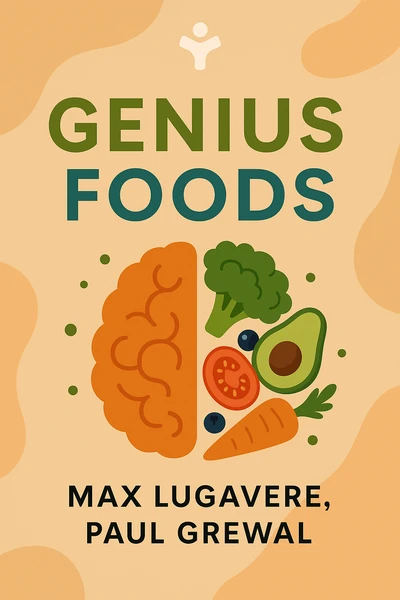
Genius Foods: Become Smarter, Happier, and More Productive While Protecting Your Brain for Life
Ready to Take Action?
Get the Mentorist app and turn insights like these into daily habits.