How three guided conversations forge a powerful shared team WHY
When a mid-sized tech firm faced leadership turnover, morale dipped and projects stalled. Their new VP of Product realized they’d never clearly articulated why the team existed beyond quarterly metrics. She called a workshop and divided twenty members into three groups. First, she prompted each group to share stories when they’d been “the best version of themselves” at work—moments of peak pride around shipping features that solved real user problems. Each group wrote down short tags like “saved a frustrated customer” or “simplified a complex process.”
Next, someone extracted verbs—“to simplify,” “to solve,” “to empower”—and they voted on the top five. Then the VP asked, “What impact did that action have?” Team members talked about joy, confidence, loyalty and efficiency, jotting those effects on the board. Finally, they split into two subgroups to craft WHY drafts. One group proposed “To simplify complexity so that people feel empowered.” The other offered “To solve real problems so that users succeed.” When they presented both, the combined team riffed until they landed on “To empower users so that they achieve their goals.”
That new WHY became their North Star. Projects aligned with it got priority, performance reviews referenced it, and even hire interviews began with “How do you empower others?” Within two quarters, user satisfaction and team engagement rose in tandem. The VP’s structured approach to shared storytelling had fused a collective purpose from genuine experiences.
Imagine you’re guiding your team: first, host a story circle where everyone shares a peak-moment tale. Capture those contributions. Then ask about effects—what difference did it make? Finally, challenge two subgroups to draft a concise WHY “To…so that…” from the top themes. Present both and then fuse them into one clear team purpose. Try it next Monday when you’re kicking off a new sprint.
What You'll Achieve
Internally, your team will gain shared ownership and clarity on purpose; externally, you’ll see improved alignment in decisions, greater collaboration, and measurable uplift in morale.
Lead your team through three story rounds
Host the first story circle
Gather in small groups and ask people to share moments they felt most proud of the team. Capture each story’s essence in one phrase.
Extract contribution verbs
From those phrases, list action words that show what the team does. Vote on the five most repeated verbs to pinpoint core strengths.
Surface impact statements
Ask the team, “What difference did that action make?” Note the emotional effects on clients or colleagues in short, vivid phrases.
Draft and debate WHY candidates
Form two subgroups. Each crafts a “To…so that…” WHY from the captured verbs and impacts. Then present and choose one draft.
Reflection Questions
- Which shared story resonated most deeply with you?
- What single verb best captures our team’s core contribution?
- How will our new WHY change your daily priorities?
- Who else should hear our WHY next?
Personalization Tips
- A sales team shares a proud deal they closed, extracts “to build trust,” then reaches “To build trust so that customers become advocates.”
- A nonprofit staff recalls an event that moved donors, lists “to inspire,” and lands on “To inspire giving so that communities thrive.”
- An R&D unit tells of a prototype that wowed users, picks “to innovate,” and agrees on “To innovate boldly so that products delight.”
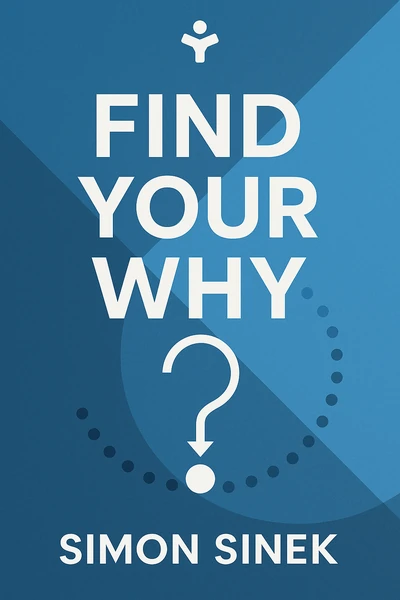
Find Your Why: A Practical Guide to Discovering Purpose for You and Your Team
Ready to Take Action?
Get the Mentorist app and turn insights like these into daily habits.